FTC Warns of $1,000 Amazon Gift Card Halloween Scam
The FTC has issued an urgent warning about a viral Halloween SMS scam offering fake $1,000 Amazon gift cards to steal personal data.


A Spooky Text Scam is Targeting Holiday Shoppers
As consumers gear up for Halloween candy runs and early holiday shopping, scammers have launched a trick of their own. The Federal Trade Commission (FTC) issued an urgent warning this week about a viral SMS phishing campaign. The scam attempts to lure unsuspecting victims with the promise of a free $1,000 Amazon gift card, using misspelled or strange phrasing like “GEET” to bypass automated spam filters.
Cell phone users across the country report receiving text messages that claim they have been selected to receive the massive gift balance. The messages contain a shortened link, urging the recipient to click immediately to claim their reward. FTC officials warn that clicking these links does not lead to a shopping spree. Instead, it opens the door to identity theft and financial fraud.
“Scammers love the holidays, and they love using household names like Amazon to build false trust,” says digital security expert Marcus Thorne. “By sending these texts right around Halloween, they capitalize on the high volume of packages already arriving at people’s doors.”
How the “GEET” Amazon Phishing Scam Works
The scam relies on classic psychological triggers: urgency, curiosity, and greed. Because many people are already ordering Halloween costumes and decorations online, a notification from “Amazon” does not immediately raise red flags. However, the glaring spelling error in the text—often written as “GEET” instead of “GET”—is a deliberate tactic used by bad actors. By using unusual spelling, scammers can sneak their malicious links past the spam detection systems used by major mobile carriers.
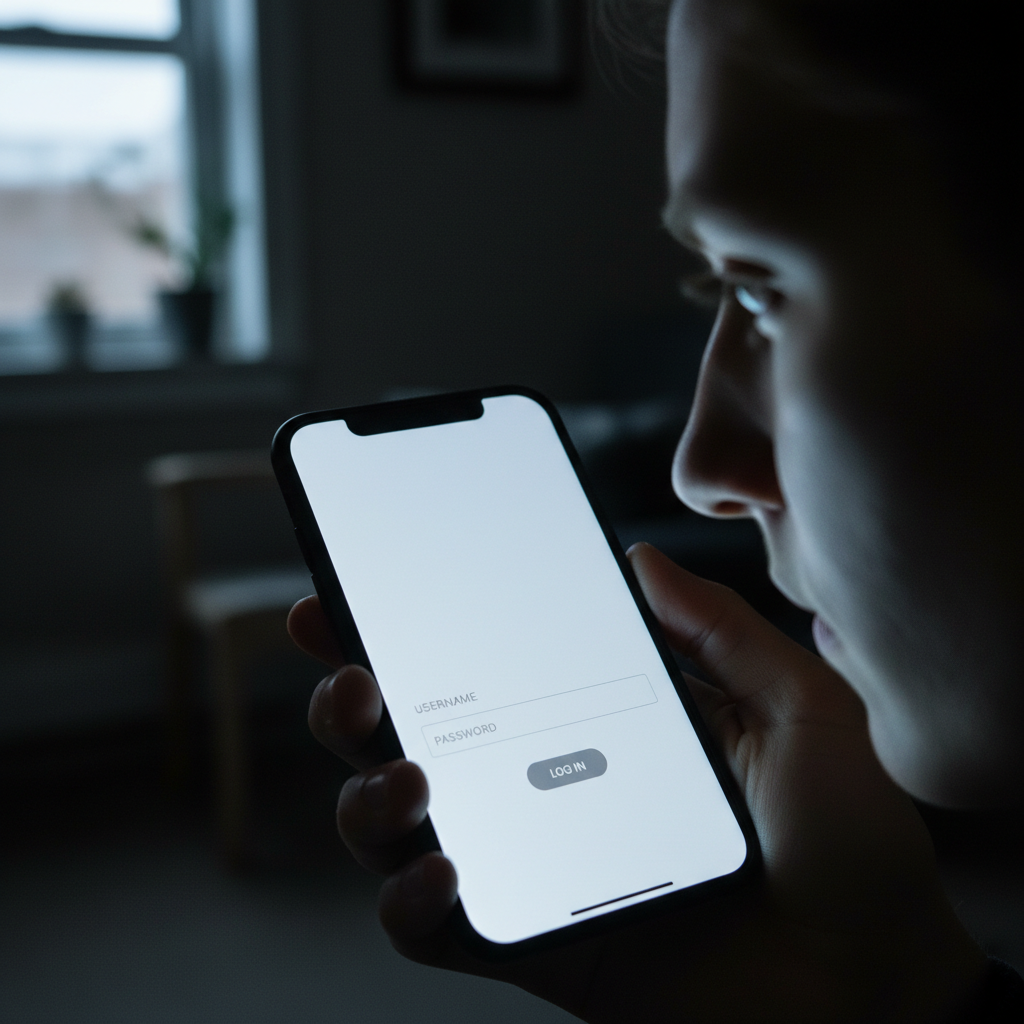
Once a target clicks the link, they are redirected to a highly convincing spoof website. This fake portal mimics Amazon’s branding, complete with the familiar logo and color scheme. Visitors are usually asked to fill out a short survey to “unlock” their prize. After completing the questions, the site requests sensitive personal data, including:
- Full names, phone numbers, and home addresses.
- Social Security numbers, under the guise of tax compliance for “winnings.”
- Credit card details, ostensibly to cover a nominal “processing fee” or “shipping cost” for the digital card.
- Amazon account login credentials to “verify” the user’s identity.
Once the victim submits this information, the scammers have everything they need. They can drain bank accounts, make unauthorized purchases, or sell the stolen data on the dark web. In some cases, clicking the link also downloads malicious software onto the victim’s phone, allowing hackers to track keystrokes or steal sensitive bank logins.
The FTC’s Direct Advice to Consumers
The federal government is reminding the public that Amazon does not hand out $1,000 gift cards via unsolicited text messages. If you receive one of these messages, the FTC suggests a simple, immediate response: do not interact with it. Even clicking the link to unsubscribe can signal to scammers that your phone number is active, leading to even more spam in the future.
Instead, security experts recommend taking these three immediate steps:
- Do not click: Delete the message immediately without opening any links or replying to the sender.
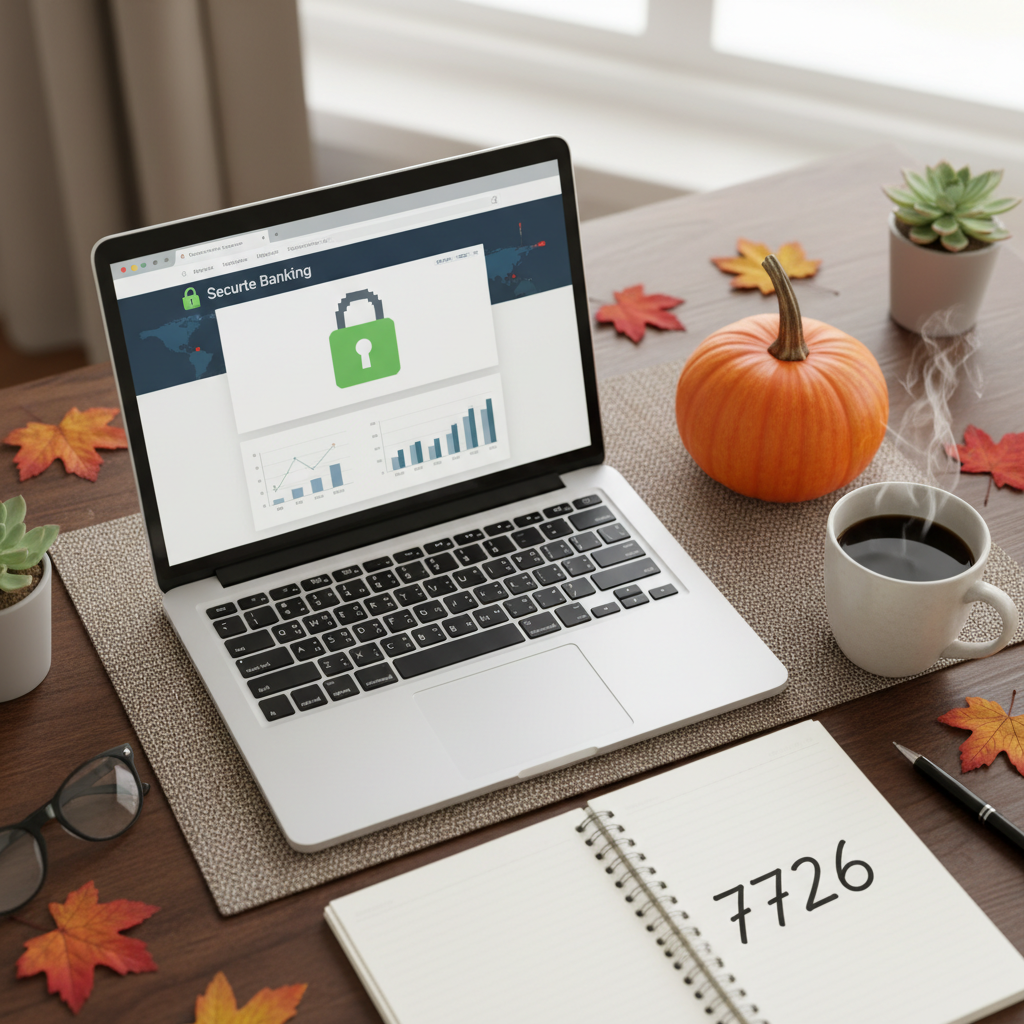
- Report the spam: Copy the message and forward it to 7726 (which spells SPAM on most keypads). This free service alerts mobile carriers so they can block the sender’s number across their network.
- File a federal report: Submit the details of the scam to the FTC’s official fraud reporting portal at reportfraud.ftc.gov.
Spotting the Red Flags This Holiday Season
This Halloween warning is likely just the beginning of a highly active winter scam season. Security analysts expect similar phishing tactics to increase as Black Friday and Cyber Monday approach. Legitimate retailers will never ask for sensitive credentials or payment info to claim a prize. If an offer seems too good to be true, it almost certainly is.
Consumers who fear they may have already entered their credentials on a fraudulent site should act quickly. Change your Amazon password immediately, enable two-factor authentication on all sensitive accounts, and closely monitor your bank statements for any suspicious activity. If you entered financial info, call your bank or credit card company to freeze the compromised accounts before the scammers can strike.