FTC Issues Urgent Halloween Warning Over GEET SMS Scam
The FTC has issued an urgent warning about a spooky new Halloween SMS scam using the word 'GEET' to bait people with fake $1,000 Amazon gift cards.

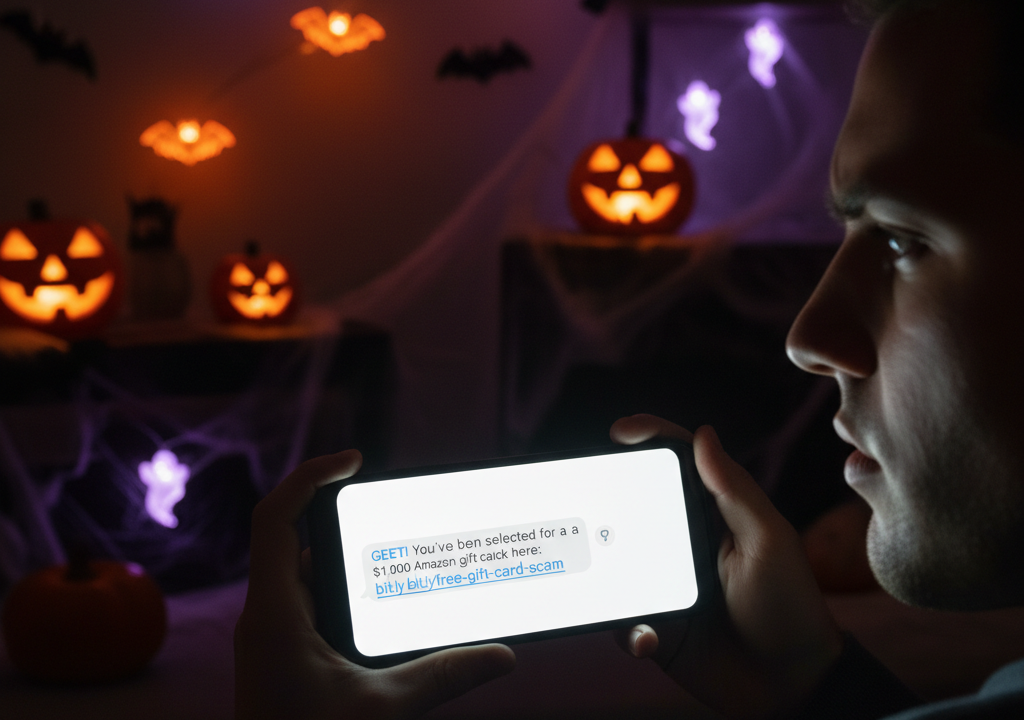
A spooky new text message scam is haunting cell phones this Halloween. The Federal Trade Commission (FTC) just issued an urgent warning about a highly deceptive SMS campaign. Scammers are using the bizarre code word “GEET” to lure unsuspecting victims with the promise of a free $1,000 Amazon gift card. But behind the treat lies a dangerous financial trick.
The Anatomy of the ‘GEET’ Scam
It starts with a simple, unexpected text message. The text typically opens with the word “GEET” or a similar string of random letters. This is not a typo. Security experts say scammers use these weird letter combinations intentionally. It helps their messages slip past the automated spam filters built by mobile network carriers.
Once the message bypasses the filter, it delivers the bait. It claims you have won, or been selected for, a $1,000 Amazon gift card. To claim this massive prize, the message instructs you to click an enclosed link. That link is where the real trouble begins.
What Happens If You Click the Link?
Clicking the link does not lead to Amazon. Instead, it takes you to a highly convincing spoofed website designed to mimic the e-commerce giant’s branding. The site will ask you to fill out a brief survey to “claim” your reward. After the survey, the trap springs shut.
You will be asked to enter personal information. This includes your full name, home address, and phone number. To make matters worse, the site usually demands a credit card number to pay a nominal “shipping and handling” or “activation” fee for the gift card. Once you enter those details, scammers have everything they need to steal your identity or drain your bank account.
Why Scammers Are Targeting Halloween
The timing of this scam is no accident. October marks the beginning of the intense autumn shopping season. Millions of consumers are online buying costumes, candy, and home decorations. With packages arriving daily, people are already expecting notifications from retailers like Amazon.

Scammers exploit this seasonal behavior. They know people are distracted and primed to act quickly on shopping-related messages. A sudden notification about a $1,000 gift card can seem like a lucky break during an expensive holiday season.
How to Shield Yourself from SMS Scams
The FTC offers straightforward advice to protect your wallet and your digital identity. If you receive a text message claiming you won a big prize, keep these rules in mind:
- Do not click: Never tap on links in unsolicited text messages, even if they look official.
- Do not reply: Replying “STOP” or asking questions only confirms to the scammer that your phone number is active. This leads to even more spam.
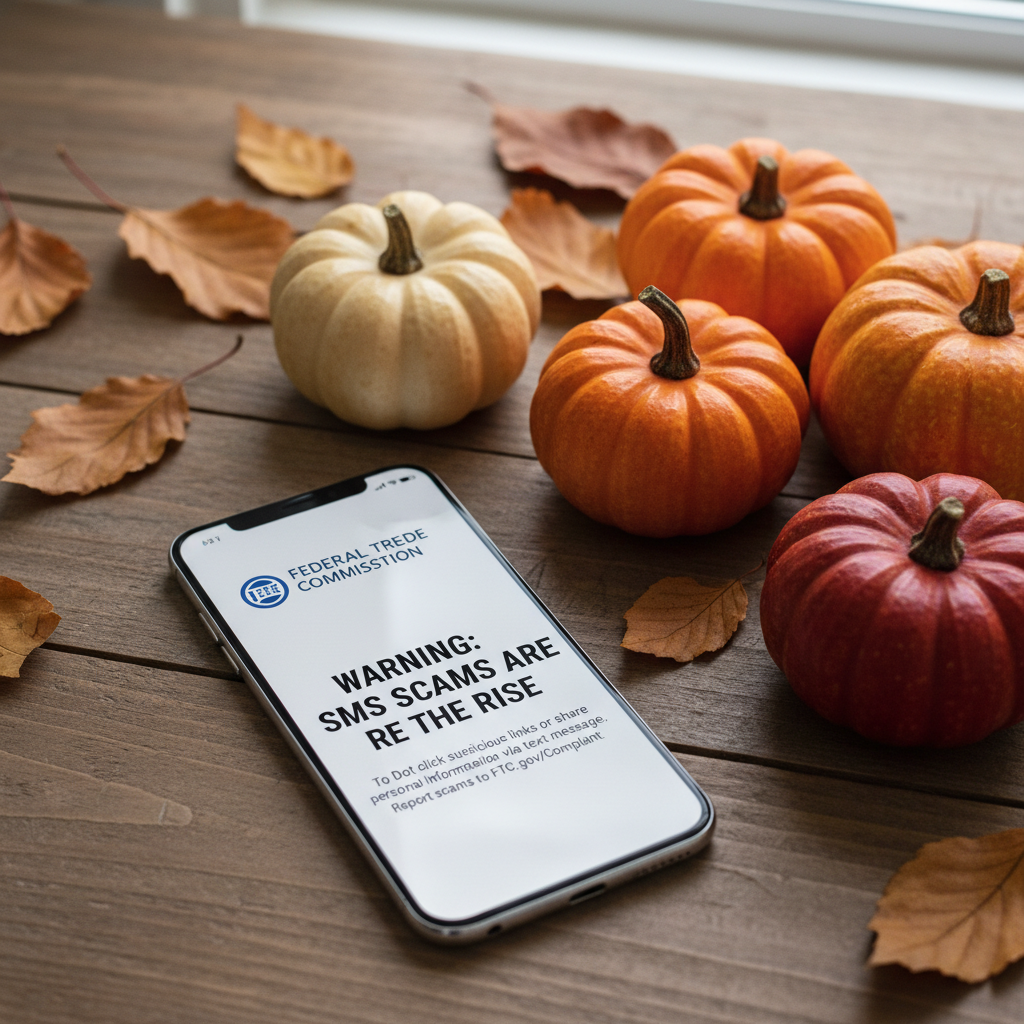
- Report the text: You can forward any suspicious text message to 7726 (which spells SPAM). This free service alerts your mobile carrier so they can block the sender.
- Verify independently: If you think a promotion might be real, go directly to the company’s official website. Never use the contact info or links provided in a suspicious text.
What to Do If You Already Fell for It
If you clicked the link and entered your information, do not panic, but act quickly. Contact your bank or credit card company immediately to report fraudulent activity and freeze your cards. You should also change your Amazon password and enable two-factor authentication on all your important accounts. Finally, file a report with the FTC at ReportFraud.ftc.gov to help law enforcement track down the culprits.
A Rising Tide of Text Message Fraud
This latest warning comes amid a sharp rise in SMS-based phishing, often called “smishing.” Because people are highly likely to open text messages—often within minutes of receiving them—scammers have increasingly pivoted away from traditional email scams toward mobile phones.
The FTC urges everyone to share this warning with friends and family, especially older adults who might be more vulnerable to high-pressure digital tactics. Amazon will never send unsolicited text messages demanding personal information or credit card details in exchange for a gift card. If you see a text starting with “GEET,” delete it immediately. Your bank account will thank you.