PMA Parts Keep Grounded Learjet 60 Fleets Flying
Faced with severe factory shortages in late 2026, legacy Learjet operators are relying on third-party PMA solutions to keep their aircraft out of boneyards.

The Quiet Crisis in the Hangar
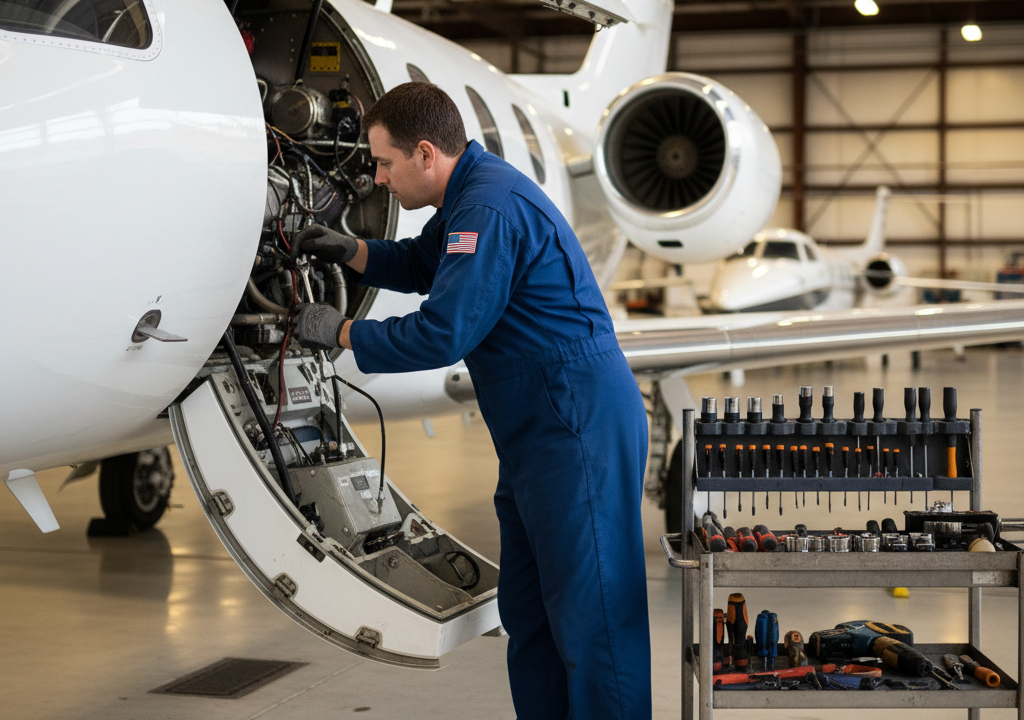
For decades, the Learjet 60 was the darling of the midsize corporate jet market. Fast, sleek, and capable of climbing like a rocket, it gave charter operators and private owners exactly what they wanted: speed and efficiency. But by late 2026, the story has changed. Today, many of these iconic twin-jets are not climbing at all. Instead, they are sitting in dark hangars, propped up on jacks, waiting for parts that may never come from the original manufacturer.
The business of keeping older private jets in the air has always been challenging, but late 2026 has brought a quiet crisis. As Bombardier shifts its focus entirely to its high-margin Challenger and Global lines, support for the legacy Learjet fleet has slowed to a crawl. For operators of the Learjet 60 and its updated sibling, the 60XR, this shift is forcing a tough choice: find alternative parts suppliers, or send a perfectly good airframe to the boneyard.
The OEM Drought Hits the Tarmac
The problem comes down to basic math and corporate priorities. Bombardier officially ended the Learjet production line in 2021, marking the end of an era that began in the 1960s. Five years later, the consequences of that decision are fully visible. The specialized supply chains that once fed the Learjet assembly line have dried up. Suppliers that used to manufacture windshields, landing gear seals, and brake components have retooled their factories for newer airframes. They have little interest in running a small batch of parts for a legacy fleet.
Jim Wheatley, a veteran aviation maintenance supervisor based in Dallas, has seen this play out firsthand. “If you had a cracked windshield on a Learjet 60 a few years ago, you called the OEM, got the part in a couple of days, and kept flying,” Wheatley says. “Today? If you call the factory, they will tell you the lead time is six months, maybe eight. Sometimes, they simply tell you they don’t have it and have no plans to make another run. You can’t run a charter business when your million-dollar asset is grounded for half a year over a piece of glass.”

The shortage is not limited to cosmetic or secondary parts. Critical components like landing gear actuators, main cabin door seals, and digital electronic engine controls (DEECs) for the Pratt & Whitney Canada PW305A engines are in critically short supply. When these parts fail, the aircraft is immediately grounded. It is a state known in the industry as Aircraft on Ground (AOG), and right now, AOG times for legacy Learjets are stretching into months.
PMA Parts: From Last Resort to Only Option
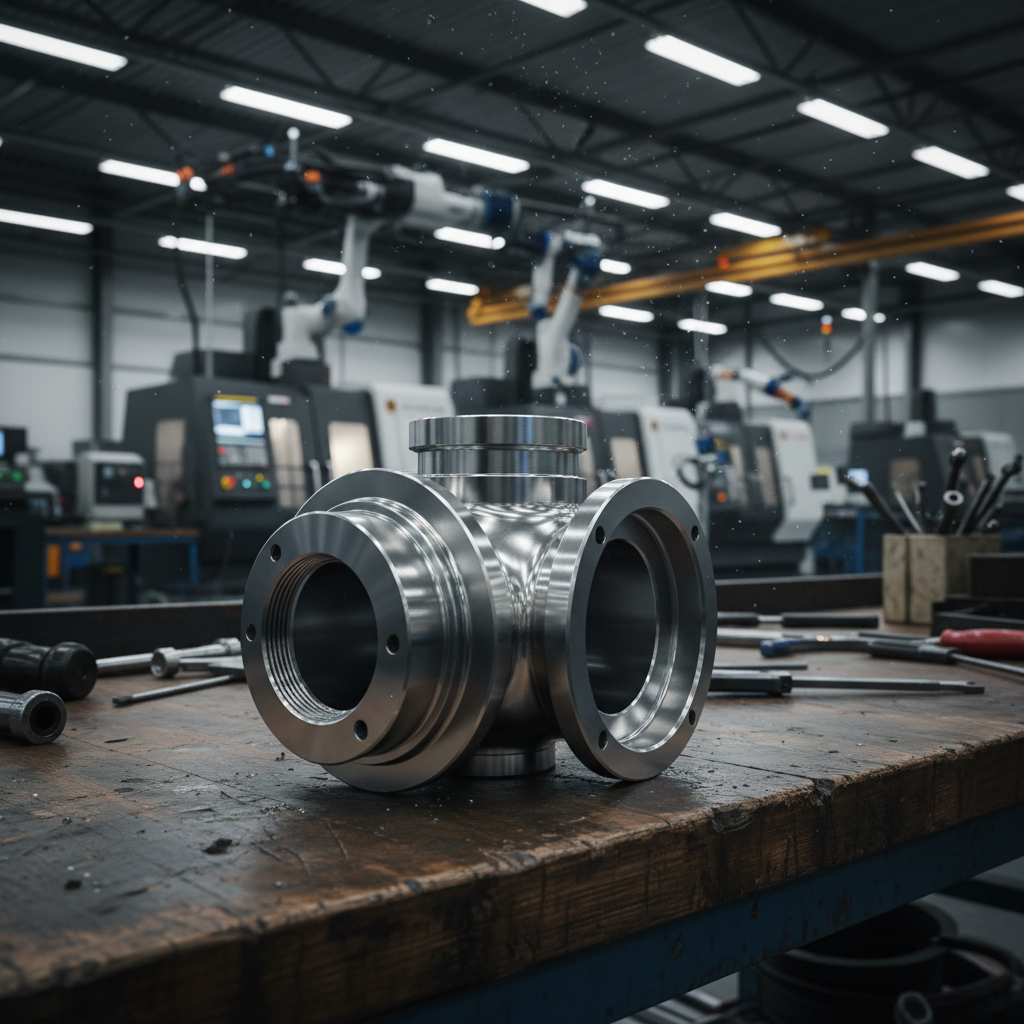
To keep their planes in the air, operators are turning to Parts Manufacturer Approval (PMA) components. A PMA is an FAA approval that allows a third-party company to manufacture and sell aircraft replacement parts. These parts are reverse-engineered, tested, and certified to meet or exceed the performance of the original factory parts.
Years ago, some corporate flight departments looked down on PMA parts. There was a lingering perception that non-OEM parts were somehow inferior or riskier. But in the current economic climate, those attitudes have vanished.
- PMA parts are typically 30% to 50% cheaper than their OEM equivalents.
- Lead times are often measured in days rather than months because PMA manufacturers specialize in keeping high-demand parts in stock.
- FAA certification ensures that PMA parts undergo rigorous testing, often solving design flaws inherent in the original factory parts.
“There used to be this snobbery in corporate aviation,” says Wheatley. “People insisted on factory parts because they thought it preserved the value of the jet. Now, that snobbery is gone. If a part has an FAA stamp and it’s sitting on a shelf ready to ship, we buy it. We don’t care who made it, as long as it’s legal and safe. Honestly, PMA is the only thing keeping the Learjet 60 fleet alive right now.”
The Rise of Boneyard Scavenging
When PMA parts are not available, operators have to get creative. This often means turning to the used serviceable material (USM) market, which is a polite term for parts scavenged from retired aircraft. In boneyards across Arizona and Texas, technicians are carefully dismantling older Learjet 60s, stripping them of every usable valve, bracket, and wire harness.
But this is a finite solution. “You can only strip a carcass so many times,” says Clara Diaz, an independent aviation supply chain analyst. “And because these planes are being retired due to lack of parts, the parts everyone needs are the ones that are already gone from the boneyard aircraft. You aren’t going to find a pristine, crack-free windshield sitting on a retired jet in the desert. They’ve all been bought up.”
This scarcity has driven up the price of used parts. In some cases, a used, overhauled component can cost more than the original factory price did five years ago. It is a seller’s market, and the buyers are desperate.
The Financial Realities of a Legacy Fleet
The struggle to keep these aircraft airworthy raises a larger question about the economic viability of operating older midsize jets. A decent Learjet 60 or 60XR is valued between $1.5 million and $2.5 million. If an owner is faced with a $250,000 bill for an engine repair and has to wait six months for the parts, the math quickly stops working. The aircraft becomes what the industry calls “economically totaled.”
This is where PMA manufacturers see a major business opportunity. Companies like HEICO and smaller, specialized engineering firms are stepping in to fill the gap. By certifying replacement parts for the Learjet 60, they are not only making a profit; they are preserving the residual value of hundreds of aircraft around the globe.
For now, the strategy is working, but it requires constant vigilance from maintenance crews. Operators have to build relationships with multiple PMA suppliers and keep a closer eye on their inventory. The days of relying on a single factory catalog are gone. To fly a legacy jet in late 2026, you have to be part operator, part detective, and part supply-chain manager.