Prop 40 Election Results: Mail-In Ballots Key in Tight Race
Proposition 40 hangs in the balance as election workers count mail-in ballots, with the margin separating yes and no votes razor-thin.


The fate of Proposition 40 hangs by a thread. Two days after polls closed, election workers across the state are still hunched over sorting machines and computer screens, processing hundreds of thousands of uncounted mail-in and provisional ballots. The margin is microscopic.
As of Thursday afternoon, the ‘Yes’ camp holds a paper-thin lead of just 14,200 votes out of more than 7.8 million ballots tallied so far. That is a difference of roughly 0.18%. With an estimated 600,000 ballots left to count statewide, neither side is ready to declare victory or concede.
The ballot measure, which seeks to authorize a $10 billion bond for wildfire prevention, clean water projects, and park upgrades, has divided voters along familiar regional and economic lines. Early returns on Tuesday night initially favored the ‘No’ camp, fueled by strong opposition in rural counties and suburban areas. But as large urban centers like Los Angeles and San Francisco began processing their massive backlogs of mail-in envelopes, the tide slowly turned.
Where the Count Stands
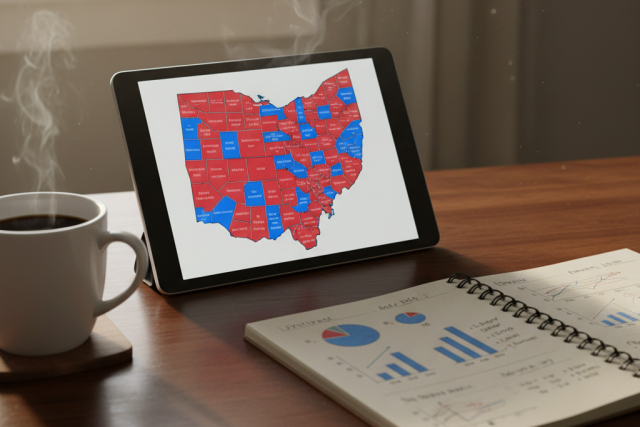
The geographic divide is stark. In the coastal metro areas, support for Prop 40 is running close to 62%. But in the Central Valley and northern mountain counties—areas ironically most vulnerable to wildfires—opposition is hovering near 58%. Opponents there argue that the bond money won’t be spent fairly, claiming urban areas always get the lion’s share of funding while rural communities are left with the fire risks.
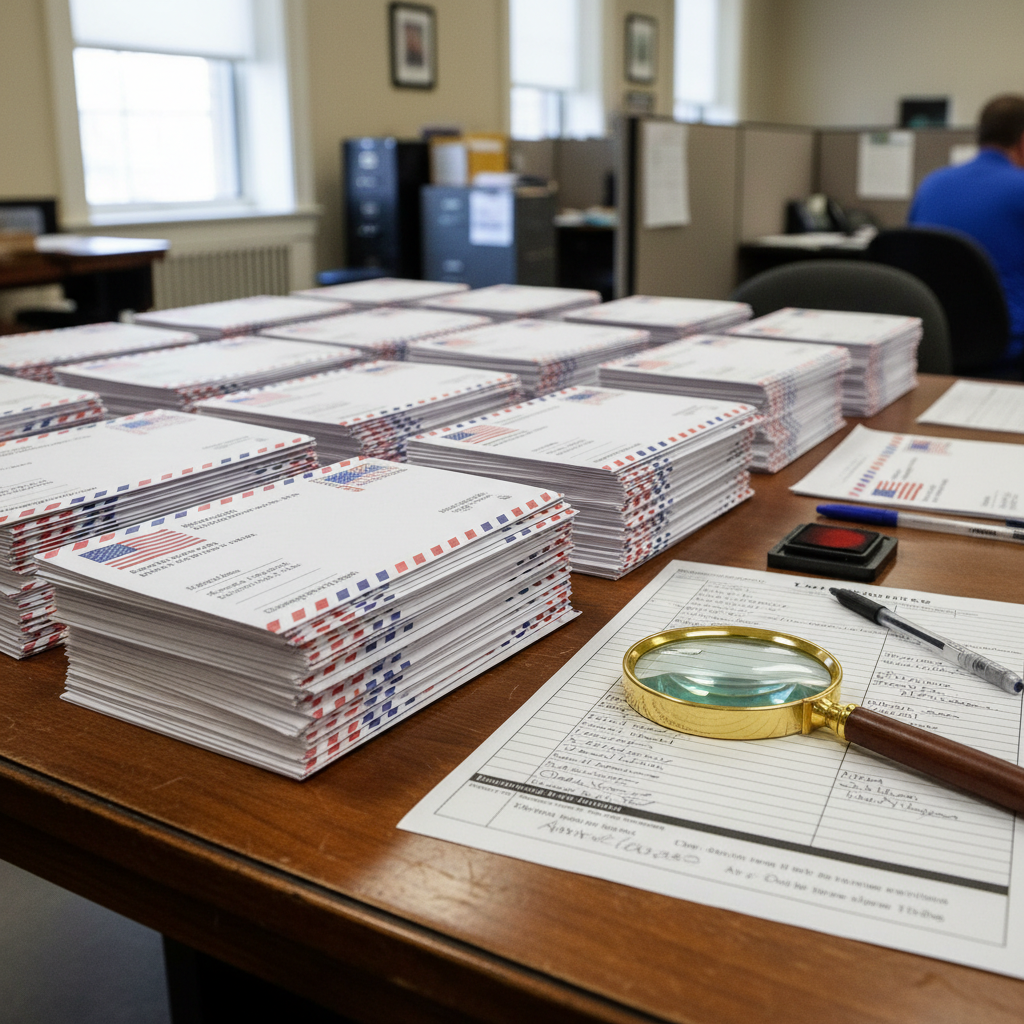
For election officials, the slow pace is a feature of the system, not a bug. Each mail-in envelope requires signature verification before the ballot inside can even be scanned. If a signature does not match the registration card on file, county workers must contact the voter to “cure” the ballot—a process that takes time.
“We prioritize accuracy over speed,” said Contra Costa County Registrar of Voters Debbie Cooper. “Every vote must be verified. Our staff is working twelve-hour shifts to ensure we get this right. We ask for everyone’s patience.”
The High Stakes of a $10 Billion Bond
If passed, Prop 40 would allow the state to issue $10 billion in general obligation bonds. This money would be split among several key initiatives:
- $3 billion for forest management and fire prevention
- $2.5 billion for safe drinking water infrastructure
- $2.5 billion for coastal protection and local parks
- $2 billion for climate-resilient agriculture and extreme heat mitigation
However, paying off that bond with interest would cost the state an estimated $450 million annually for the next 30 years.
This financial commitment is exactly what has opponents worried. “It’s a massive blank check during an uncertain economic period,” said Sarah Jenkins, director of the No on Prop 40 committee. “We cannot afford to borrow billions more when our existing infrastructure needs basic maintenance first.”
But proponents insist the cost of inaction is far higher. They point to the devastating fires of the last decade, which cost billions in emergency response and insurance claims. “We either pay now to protect our communities, or we pay tenfold later in destruction,” said Marcus Torres, a spokesperson for the Yes on 40 coalition.
The Fight to Cure Ballots
Because the race is so close, a recount remains a distinct possibility. In this state, there is no automatic recount trigger. This means either campaign would have to request and fund a recount themselves unless the margin falls within a specific, tiny threshold defined by local municipal codes.
Until then, both campaigns are deploying volunteers to assist voters whose ballots were flagged for signature issues. Known as “ballot chasing,” this grassroots effort could ultimately decide the outcome of the race. Volunteers are knocking on doors and making phone calls, urging residents to sign and return their verification forms before the looming deadline.
For now, the state waits. With every update from county registrar offices, the numbers tick up by a few thousand, keeping both campaigns in a state of suspended animation.