How Dane County and Shifting Suburbs Decided the Wisconsin Race
A deep dive into the key counties, suburban shifts, and rural turnouts that decided yesterday's razor-thin Wisconsin gubernatorial election.

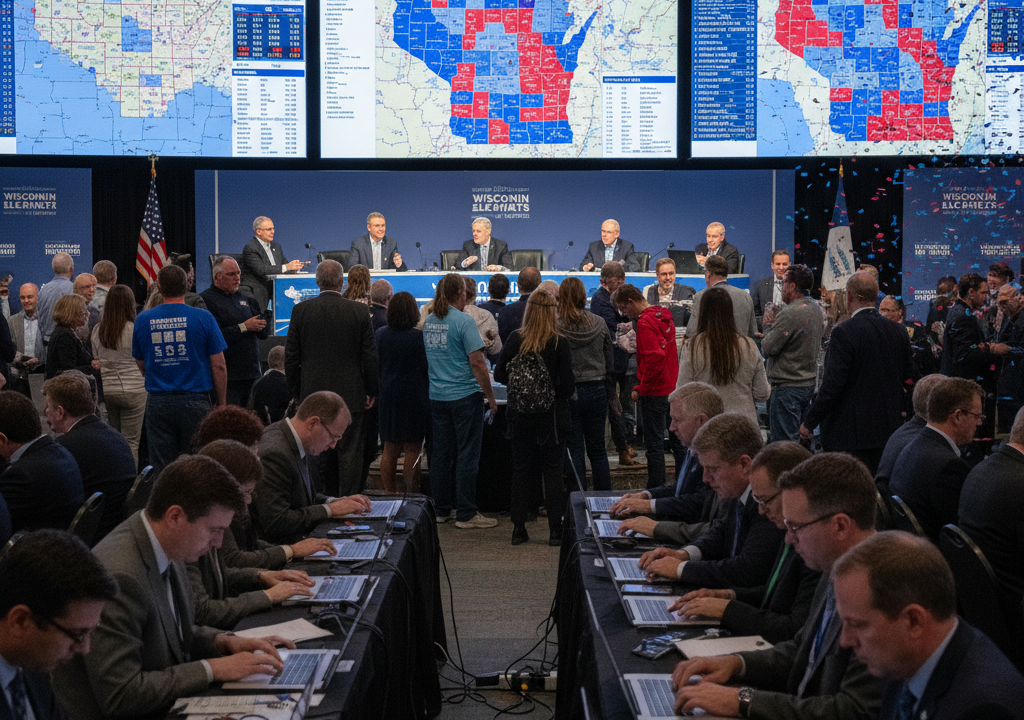
The Madison Engine: Dane County’s Unstoppable Turnout
Wisconsin is a political tightrope. It has been for years. Yesterday’s gubernatorial race was no different, keeping campaigns and voters on edge until the early hours of the morning. In the end, a familiar map emerged, but with critical shifts that decided the state’s future.
To understand how this race was won, you have to look at Dane County. The Madison area didn’t just vote; it surged. Turnout in this liberal stronghold has become a mathematical nightmare for Republicans. Dane County consistently delivers massive margins for Democrats, acting as a heavy counterweight to the rest of the state. This time, the firewall held stronger than ever. Democratic strategists knew they needed a historic showing here, and they got it. It wasn’t just about winning the county; it was about running up a deficit so large that rural counties couldn’t overcome it.
But Dane County alone isn’t enough. Milwaukee County, the state’s most populous area, also played its usual role. While raw turnout in Milwaukee was slightly lower than some high-stakes elections of the past, the margins remained overwhelmingly blue. It provided a steady, predictable foundation of votes that kept the race within striking distance during the early evening tally.

The Suburban Shift in the ‘WOW’ Counties
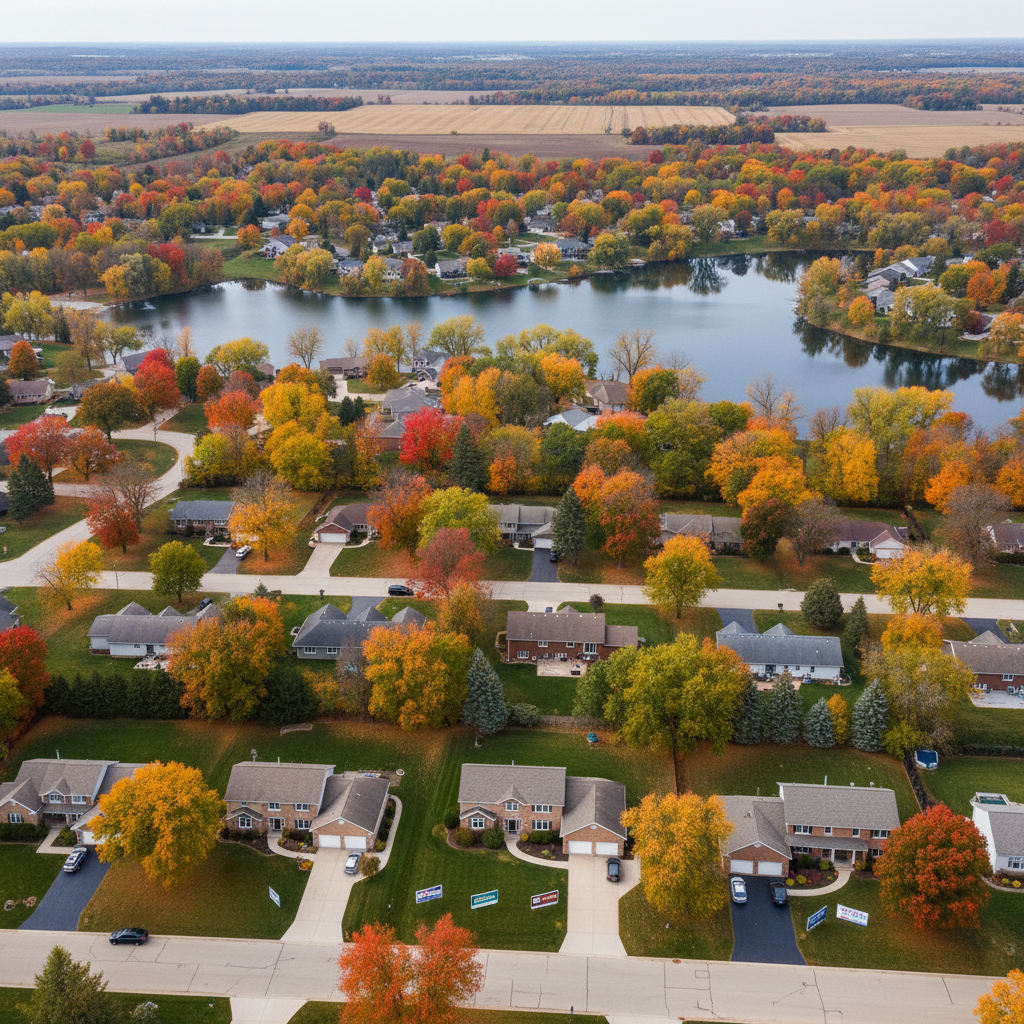
The real story, however, unfolded in the suburbs. For decades, the suburbs surrounding Milwaukee—Waukesha, Ozaukee, and Washington counties, collectively known as the ‘WOW’ counties—were the crown jewels of the Wisconsin GOP. They didn’t just vote Republican; they voted Republican by staggering, eye-popping margins. But those margins are eroding.
Look at Waukesha County. The Republican nominee still won it handily. But ‘handily’ isn’t enough anymore. Winning Waukesha with 60% of the vote instead of 68% might sound like a minor detail. It isn’t. In a state decided by less than two percentage points, that eight-point drop is a political earthquake. Suburban moderate voters, particularly college-educated women, showed a clear reluctance to back the more conservative platform, continuing a trend we’ve seen building over the last few election cycles.
The shift was also visible in Ozaukee County. Historically a conservative bastion, Ozaukee has become increasingly competitive. The closer margins here suggest that the traditional Republican coalition is fraying at the edges, particularly in affluent, educated suburban communities.
GET FREE $1000 AMAZON GIFT CARD
The Battle for the Fox Valley and the Driftless Area
Then there is the Fox Valley. Running along the Fox River, counties like Brown, Outagamie, and Winnebago are the ultimate bellwethers. They represent the blue-collar, working-class voters who frequently swing back and forth. In this race, the Fox Valley lived up to its reputation. The vote was split almost down the middle, showing how deeply divided these communities remain. By preventing a clean Republican sweep in these swing areas, the winning campaign managed to choke off any remaining path to victory for the opposition.
Further west, the Driftless Area presented another fascinating battleground. This region of rolling hills and small towns historically leans independent, with a streak of populist progressivism. Key counties like La Crosse and Eau Claire stayed blue, while surrounding rural counties went red. The split highlighted the growing divide between mid-sized regional hubs and the rural countryside surrounding them.
A Red Wall in Rural Wisconsin
Rural Wisconsin remained deeply red. From the northern forests to the western farmlands, conservative voters turned out in force. They wanted change, and they voted for it. In many rural townships, the Republican candidate captured upwards of 70% of the vote. The support was broad and deep. But the sheer volume of the rural vote simply couldn’t outpace the combined force of a booming Madison, a solid Milwaukee, and a shifting suburbia.
What does this mean for the future of Wisconsin politics? A few key takeaways stand out:
- The urban-rural divide is sharper than ever, with Madison and Milwaukee acting as powerful counterweights to rural regions.
- Suburbs are no longer guaranteed safe havens for either party, making them the premier battlegrounds for future campaigns.
- Ground game and direct voter contact in mid-sized cities remain essential for tipping the scales in close races.
Wisconsin remains the ultimate 50-50 state. Neither party can claim a mandate, and neither can afford to rest. But the blueprint for winning has shifted. You can no longer win statewide simply by running up the score in rural areas and counting on suburban loyalty. The suburbs are now a battleground, and the party that learns to speak to them first will likely hold the keys to the state for a long time to come.