FBI and CISA Warn of AI Election Threats in Battleground States
The FBI and CISA issue an urgent warning about foreign AI-driven voter suppression campaigns targeting key swing states ahead of the 2026 midterms.

The New Digital Battleground
Federal authorities are sounding a major alarm. On Thursday, the FBI and the Cybersecurity and Infrastructure Security Agency (CISA) issued a joint intelligence bulletin warning of sophisticated foreign campaigns targeting the upcoming midterm elections on November 3, 2026. The threat isn’t just standard online trolling anymore. This time, foreign adversaries are utilizing highly advanced generative artificial intelligence to suppress voter turnout in critical swing states.
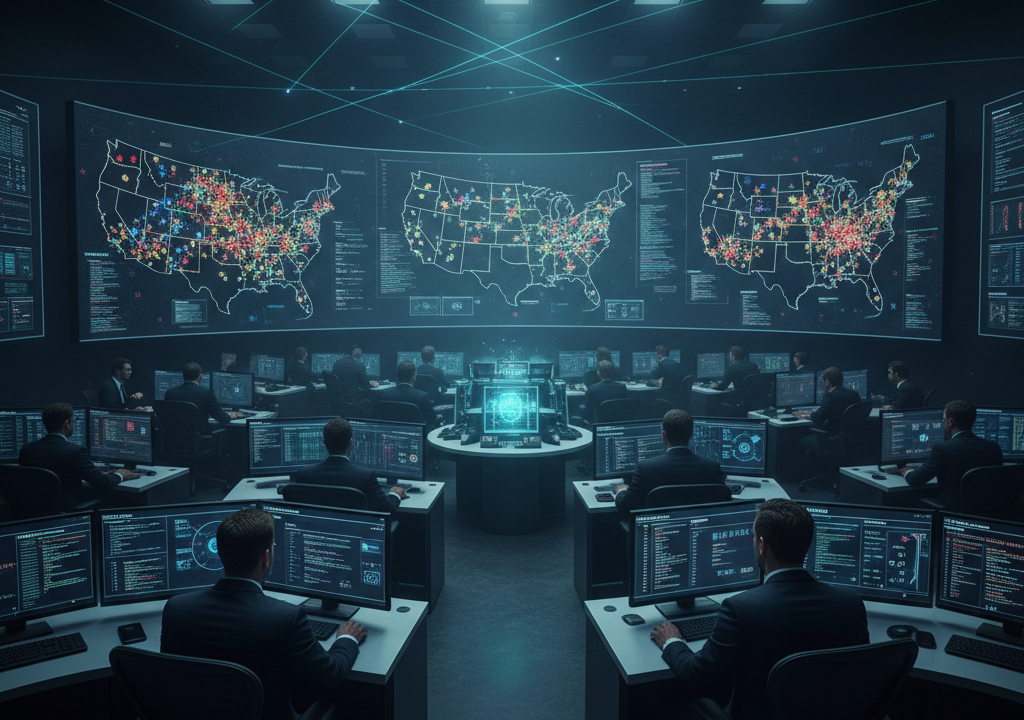
Security officials say the campaigns are highly targeted. Instead of broad national messaging, foreign state actors are focusing their efforts on specific counties and precincts in battleground states like Pennsylvania, Georgia, Arizona, Michigan, and Wisconsin. The objective is to confuse voters, sow distrust in the electoral process, and ultimately lower turnout where margins are razor-thin.
How AI Is Being Weaponized
This isn’t the crude photoshop work of previous election cycles. Today’s tools allow bad actors to scale up disinformation instantly. According to the advisory, foreign threat actors are deploying hyper-realistic deepfakes, automated localized news sites, and highly convincing synthetic audio messages.
Imagine receiving a phone call that sounds exactly like a local election official telling you that your polling place has changed at the last minute. Or picture scrolling through social media and seeing a flawless video of a Senate candidate dropping out of the race just hours before voting begins. These are the exact scenarios federal agencies say they are tracking.

“We are seeing a level of personalization in these campaigns that was technically impossible just a few years ago,” said a senior CISA official during a briefing. “Generative AI allows our adversaries to write highly tailored messages in perfect English, translating local slang and understanding community nuances without leaving a trace of foreign origin.”
Who Is Behind the Attacks?
While the joint advisory did not name every specific actor involved in current operations, it pointed heavily toward familiar adversaries. Intel reports indicate state-sponsored groups linked to Russia, China, and Iran are actively running these digital influence operations.
Each country has its own playbook. Russian groups often focus on widening cultural rifts and degrading faith in the integrity of voting machines. Chinese operations tend to target specific policy positions and amplify domestic political chaos. Iranian actors have previously focused on voter intimidation through targeted emails and threats. The common thread? AI is making all these efforts faster and cheaper to execute.
The scale of the threat has forced federal agencies to work overtime. “Our adversaries know that changing minds is hard, but confusing people is easy,” FBI Director Christopher Wray noted in a recent public statement on foreign interference. “By utilizing AI to generate fake news outlets that look like legitimate local newspapers, they attempt to bypass our natural skepticism.”

Tactics of Division and Suppression
Voter suppression is the primary goal of these digital operations. The FBI highlighted several specific tactics currently circulating online:
- Fake Polling Site Updates: AI-generated robocalls and text messages telling voters that lines are hours long or that specific polling stations have closed due to technical issues.
- Synthetic Candidate Audio: Cloned voices of candidates saying controversial or disqualifying statements, timed perfectly to prevent candidates from effectively debunking them before Election Day.
- Automated Localized News: Networks of hundreds of websites designed to look like trusted local news sources, publishing false reports about voting machine failures or security threats at local precincts.
- Social Media Swarms: AI-powered bot networks that mimic real voters in local community groups, hijacking neighborhood forums to spread anxiety and logistics confusion.
Because these campaigns target hyper-local groups, they often slip under the radar of national social media monitoring teams. A post shared in a small county-level Facebook group might only reach a few thousand people, but in a tight race, those few thousand votes can decide the outcome.
How Voters Can Protect Themselves
The government is urging voters not to panic but to remain highly vigilant. The best defense against AI-driven disinformation is verification. Officials emphasize that voters should always cross-reference any sensational claims with official government sources.
“If you receive a text, call, or see a post that makes you question when, where, or how to vote, go directly to your local supervisor of elections website,” CISA Director Jen Easterly advised. “Do not rely on screenshots shared on social media, even if they appear to come from a friend or a local news outlet.”
State and local election officials have spent years securing voting infrastructure. Paper trails, pre-election testing, and post-election audits remain robust. The actual voting systems are secure; the real vulnerability is the voter’s mind.
As the November 3 midterm elections draw closer, the battle over information will only intensify. Federal agencies, local election workers, and tech platforms are on high alert. But ultimately, the final line of defense rests with the voters themselves. Taking an extra minute to verify a claim before sharing it could be the difference between a secure election and a successful foreign disruption campaign.