Michigan Senate Race: Peters and James Locked in Tight Final Push
With three days until Election Day, incumbent Gary Peters and challenger John James are tied in a margin-of-error race focused on Detroit's suburbs.


It’s the final stretch in Michigan, and absolutely nobody is taking victory for granted. With only three days left until Election Day, first-term Democratic Senator Gary Peters finds himself in the fight of his political life. His opponent, Republican businessman and military veteran John James, has surged in the final weeks of the campaign. Recent polls show the two candidates locked in a statistical dead heat, well within the margin of error.
The tight numbers have sent both campaigns into overdrive. The main battleground is clear: the sprawling, politically diverse suburbs surrounding Detroit. Over the weekend, both Peters and James crisscrossed Oakland, Macomb, and Wayne counties, making desperate appeals to undecided voters and working to ensure their respective bases actually show up to vote.
The Fight for the Suburban Vote
Turnout is everything. In Michigan’s suburban ring, small shifts in voter sentiment can decide statewide elections. Political analysts point out that neither campaign can afford to lose a single precinct in these key areas.
For Peters, the path to keeping his seat relies heavily on running up the score in Oakland County, a historically Republican stronghold that has leaned increasingly Democratic in recent years. At the same time, he must secure a massive turnout in Wayne County, home to Detroit’s large and influential Black electorate. If Detroit’s numbers lag, Peters’ path to victory narrows significantly.
James, on the other hand, is looking to dominate in Macomb County. Famous as the home of the “Reagan Democrats,” Macomb broke heavily for Donald Trump in 2016 but went back to the Democrats in the 2018 midterms. It remains the ultimate wild card. If James can keep margins close in Oakland and run up his numbers in Macomb and the state’s rural northern counties, he could become the first Michigan Republican to win a U.S. Senate seat in over two decades.
Two Distinct Visions for Michigan
The candidates offer voters two starkly different profiles. Peters has spent his final campaign events focusing on his legislative record, emphasizing his bipartisan work and his support for the state’s vital manufacturing sector. He often highlights his deep roots in the state and his steady approach to governance.
“I’ve always put Michigan first, working across the aisle to get things done for our families and our small businesses,” Peters told a crowd of supporters at a drive-in rally in Pontiac. “We cannot afford to go backward. We need steady, experienced leadership in Washington right now.”
But James presents himself as a complete outsider, someone who can shake up a broken political establishment. The 39-year-old former combat helicopter pilot and business executive has framed Peters as a career politician who has accomplished little during his decades in public office.
“Michigan deserves a leader who understands what it means to sign the front of a paycheck, not just the back of one,” James said during a campaign stop in Warren. “We need someone who will go to Washington, fight for our jobs, and defend our values. I’ve served my country in war, and I’m ready to serve Michigan in the Senate.”
Polls Show a Nail-Biter
The data confirms just how close this race has become. A Detroit News/WDIV-TV poll released on Friday showed Peters leading by a mere two percentage points, which is well within the poll’s four percent margin of error. Other recent nonpartisan surveys have shown a flat-out tie, showing that James has successfully consolidated the Republican base while picking up crucial late-deciding independents.
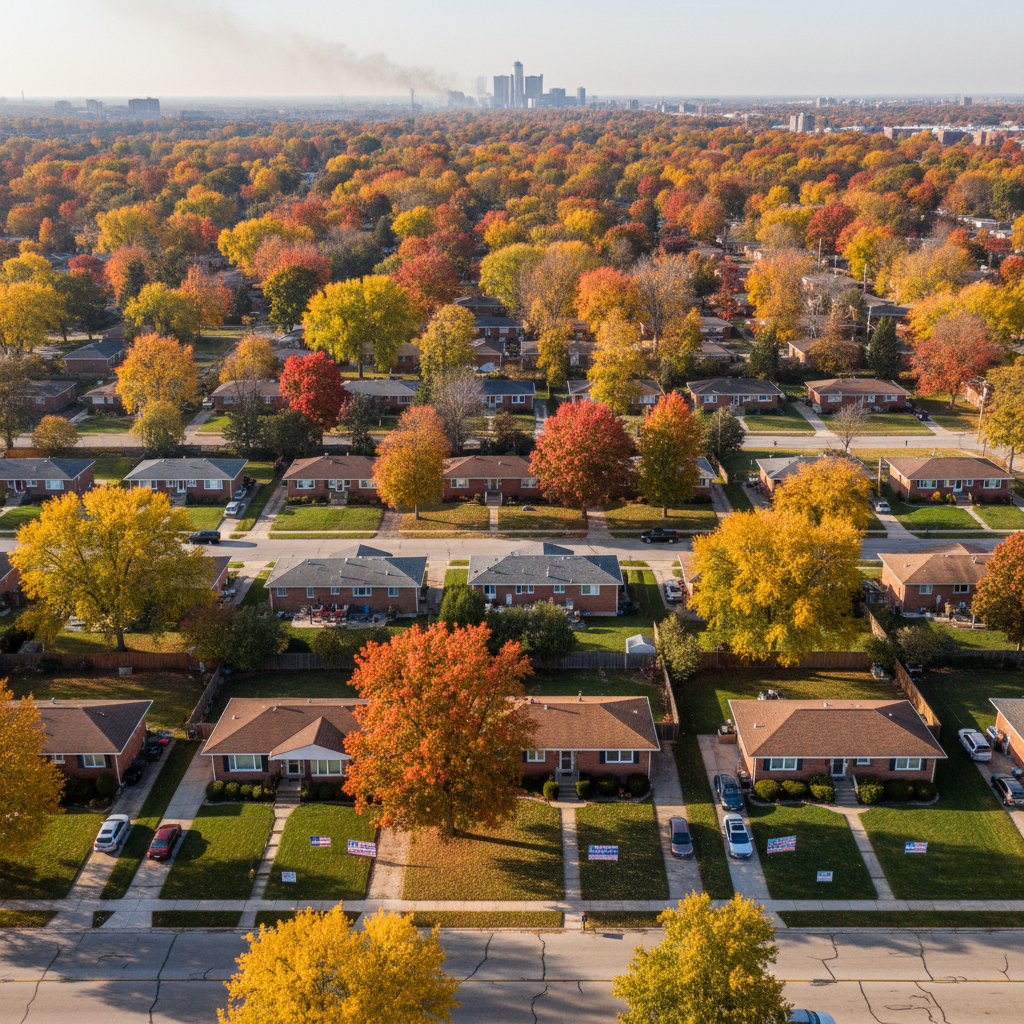
This tightening of the race has injected a frenzied energy into local volunteer groups. In Oakland County, phone banks have been running constantly from early morning until late at night. Door-knockers from both parties are pounding the pavement, wearing masks and keeping their distance as they make their final pitches to residents on their porches.
The issues driving voters are as diverse as the counties themselves. In suburban communities, the ongoing response to the coronavirus pandemic and its economic fallout remain top of mind. Peters has focused heavily on protecting healthcare access, particularly for people with preexisting conditions. James has countered by focusing on economic recovery, arguing that his business background makes him uniquely qualified to help the state bounce back from lockdowns.
An Uncertain Tuesday Night
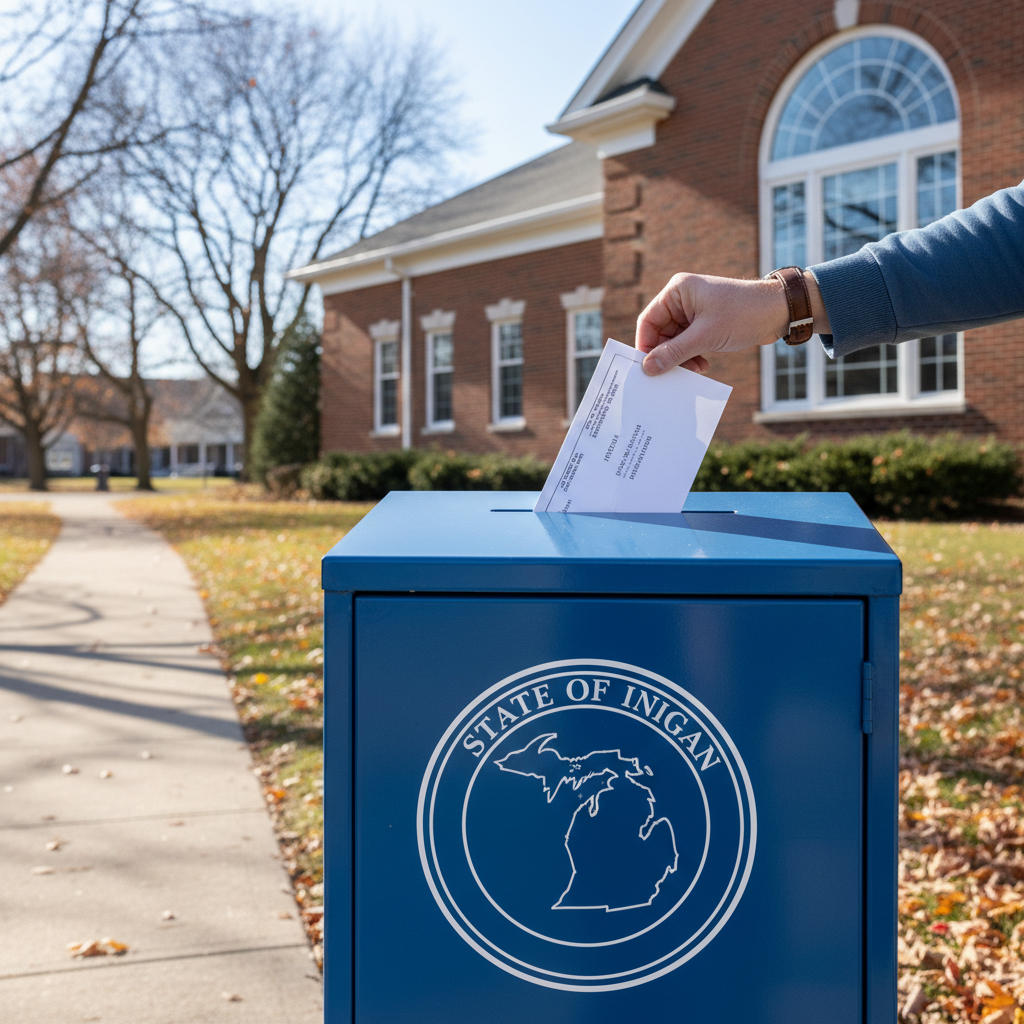
Another wild card is the sheer volume of early and absentee voting. Millions of Michigan voters have already cast their ballots. However, local election clerks have warned that processing and counting these ballots could take days, meaning the state, and the country, might not know the official winner on Tuesday night.
For now, neither candidate is looking past the next hour. Every stop, every handshake, and every local television interview counts. The race is a dead heat, the clock is running out, and Michigan is once again at the absolute center of the political universe.
- Key Counties to Watch: Oakland (D-leaning suburb), Macomb (swing county), Wayne (D stronghold).
- The Senate Balance: This race is considered crucial for control of the U.S. Senate.
- Voting Status: Record-breaking absentee turnout has already been recorded across the state.