How to Find Safe Ballot Drop Boxes for the 2026 Midterms
Avoid partisan scams and navigate strict new voting laws with this step-by-step guide to finding official ballot drop boxes this November.

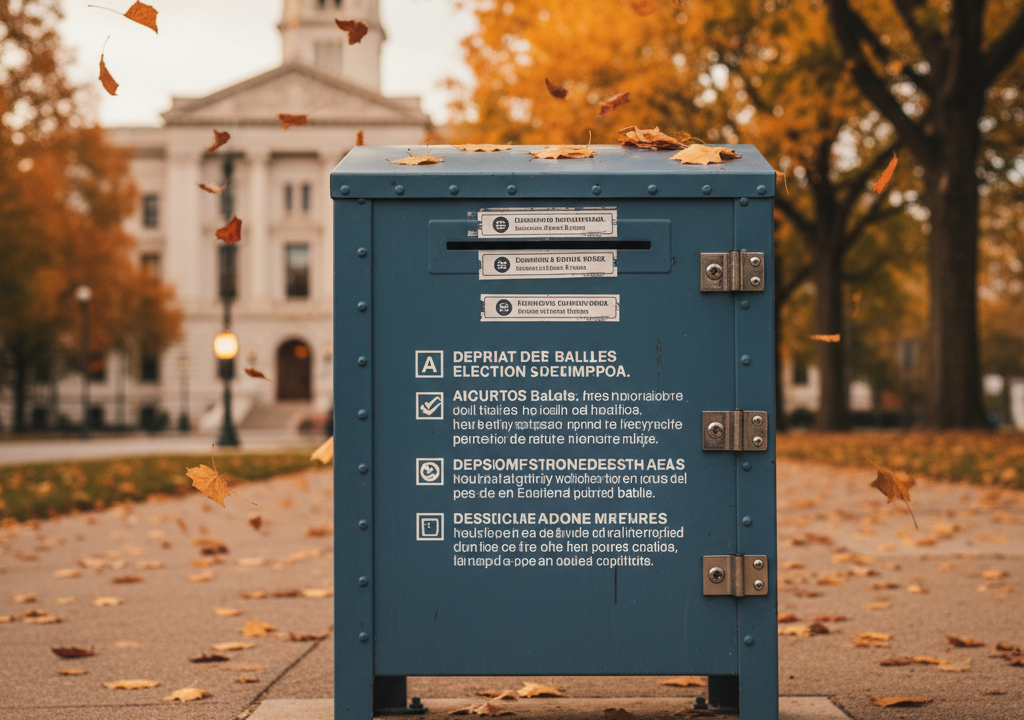
With the November 3, 2026 midterm elections fast approaching, millions of Americans are preparing to cast their ballots. For many, dropping a completed mail-in ballot into a secure, local drop box is the easiest option. It bypasses the post office and avoids long lines on Election Day.
But finding a legitimate drop box this year is not as simple as it used to be.
Since the last major election cycle, dozens of states have radically altered their voting laws. Some states have banned drop boxes outright. Others have slashed their numbers, shortened their hours, or placed them under constant surveillance. Adding to the confusion is a wave of unofficial, highly partisan locator maps circulating on social media. Some of these digital maps point voters to unauthorized collection points, while others seem designed purely to harvest personal data.
Navigating this complex environment requires caution. To ensure your vote actually counts, you need to know how to separate official state resources from misleading online noise.
Understanding the New Voting Rules
The rules governing ballot drop boxes now vary wildly from state to state. What was perfectly legal in 2022 or 2024 might be a misdemeanor today.
Take Georgia, for example. Under current regulations, drop boxes are strictly limited to one per 100,000 active registered voters per county, or one per early voting site—whichever number is smaller. Furthermore, these boxes must be located inside early voting rooms. That means you can only access them during specific business hours, making 24-hour curbside drop-offs a thing of the past.
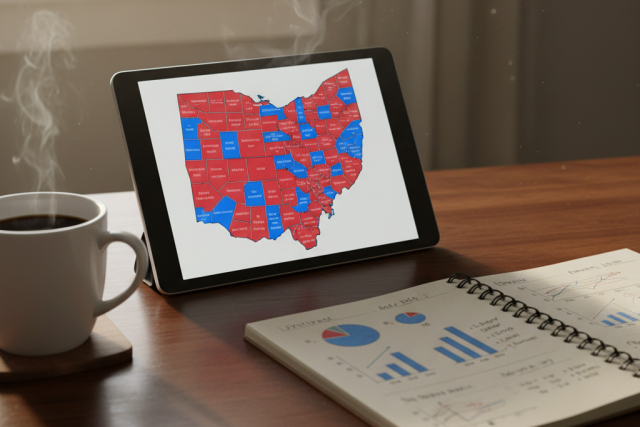
Other states have taken even more drastic measures. In Ohio, a single drop box is permitted per county, located solely at the county board of elections office. In places like Texas, drop boxes are effectively banned for general use. Meanwhile, in states like Oregon and Washington, drop boxes remain plentiful, highly accessible, and open right up until 8:00 p.m. on election night.
“The rules are a patchwork quilt right now,” says voter advocacy specialist Sarah Jenkins. “You cannot assume the drop box you used two years ago is still there, or that the hours are the same. You have to check the current rules for your specific municipality.”
The Danger of Unofficial Maps and Scams
As voters search for convenient ways to return their ballots, bad actors are stepping in. Non-governmental groups and partisan organizations have launched their own interactive search tools. While some are legitimate voter mobilization efforts, others present major security risks.
In past elections, unauthorized drop boxes popped up in states like California, placed by political groups without government oversight. Ballots dropped into these boxes are at risk of being tampered with, delayed, or discarded entirely.
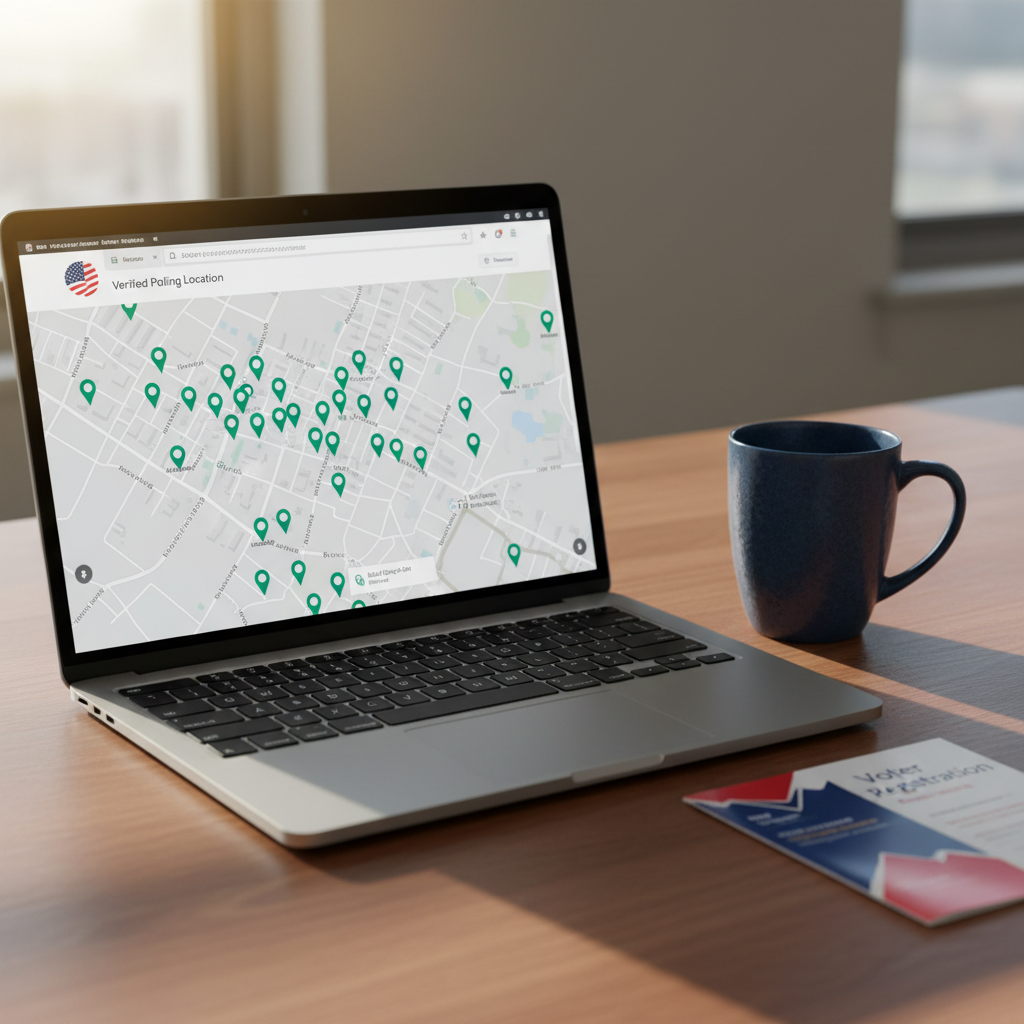
This year, cybersecurity experts are tracking a rise in spoofed websites. These sites mimic official county portals, offering to help you find a drop box near you. Once you enter your home address, email, and phone number, the site might harvest your personal data for political fundraising or identity theft. Worse, it could direct you to an illegal, unsecured collection bin.
“Never type your personal details into a website that does not end in a .gov domain,” warns cybersecurity analyst Marcus Vance. “These unauthorized maps are often inaccurate. At best, they lead you to a box that was closed months ago. At worst, they steal your data and lose your vote.”
How to Find Verified, Official Locations
Protecting your vote starts with using trusted sources. Fortunately, verifying a location is straightforward if you know where to look. Here is how to keep your ballot secure:
- Go direct to the source: Bypass search engines and social media platforms. Go directly to your local county election office website. Every county or municipal election board maintains an updated list of certified drop box locations. Look for web addresses that end in “.gov”.
- Use state directories: If you are unsure of your local county website, start at your state’s official Secretary of State portal. Most states provide a centralized directory of every official drop box within their borders.
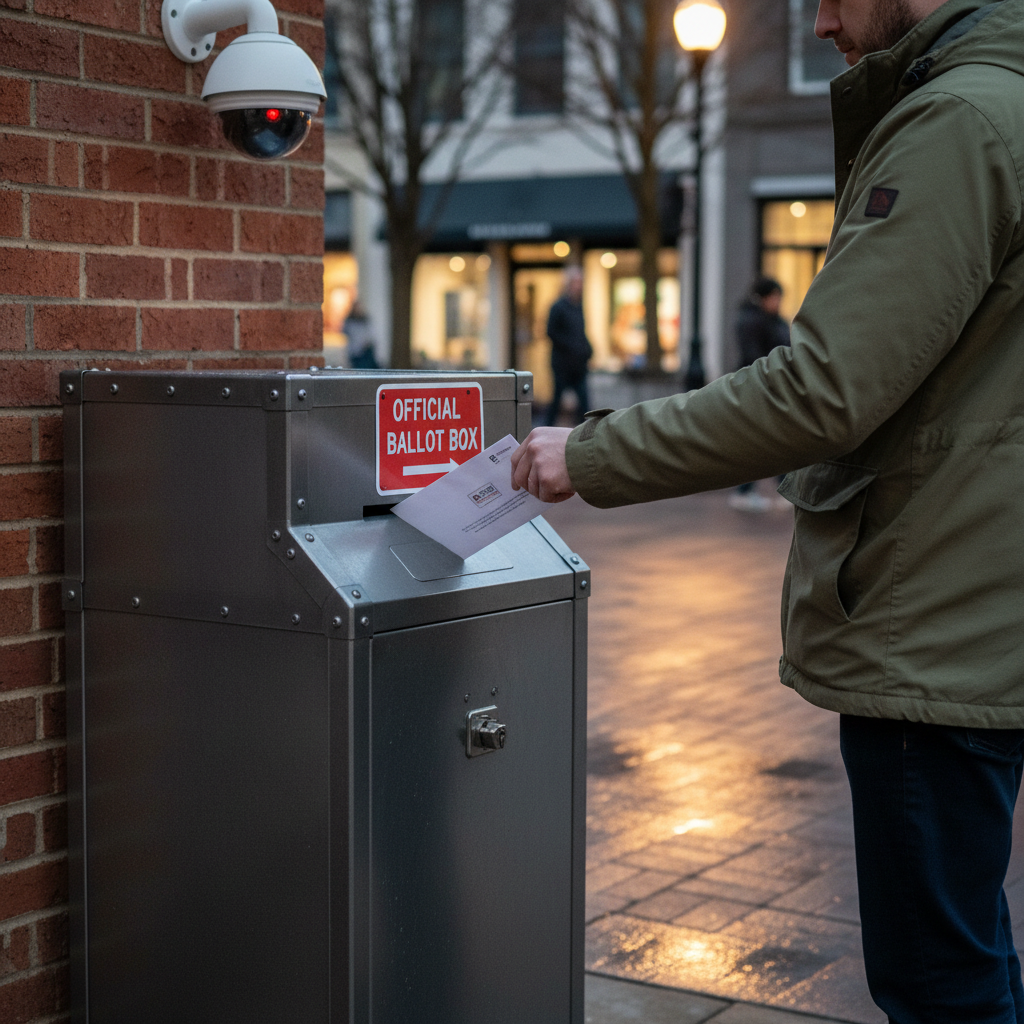
- Inspect the physical box: When you arrive at a drop box, look for physical security features that prove its legitimacy. Real, official ballot drop boxes are usually made of heavy-gauge steel and are securely bolted to the ground or a building. They feature clear, official government decals, bilingual instructions, and contact information for the election office. Most are placed in well-lit areas under active, 24-hour video surveillance.
“If a box looks like a modified plastic trash can, a cardboard box, or a simple filing cabinet, do not use it,” Jenkins advises. “Official boxes are built like bank safes.”
Timing Your Drop-Off Safely
Locating the box is only half the battle; timing is just as critical. Many states require all ballots to be in the hands of election officials by the time polls close at 7:00 p.m. or 8:00 p.m. on November 3, 2026.
Unlike mail-in ballots, which are often accepted if they are postmarked by Election Day, drop box ballots generally must be physically inside the box before the deadline. Election workers lock these boxes precisely when the polls close. Any ballot left outside the box or attempted to be delivered late will not be counted.
Plan to drop off your ballot several days early. This avoids last-minute traffic, gives you time to resolve any unexpected signature issues, and ensures your voice is heard in the 2026 midterms.