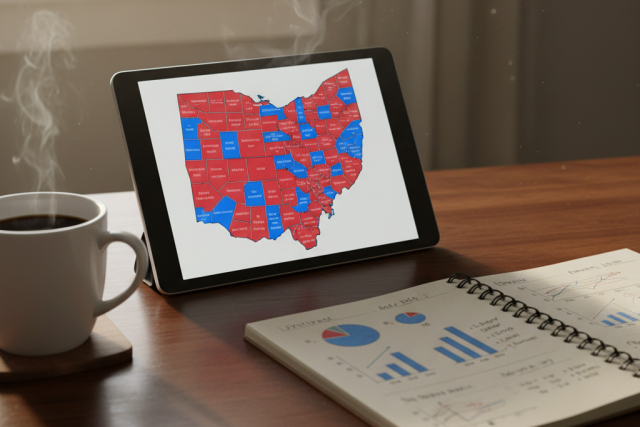
FBI and CISA Warn of AI Voice-Cloning Robocalls in Swing States
Federal agencies warn that high-tech deepfake robocalls are targeting swing-state voters with fake election information just days before the vote.

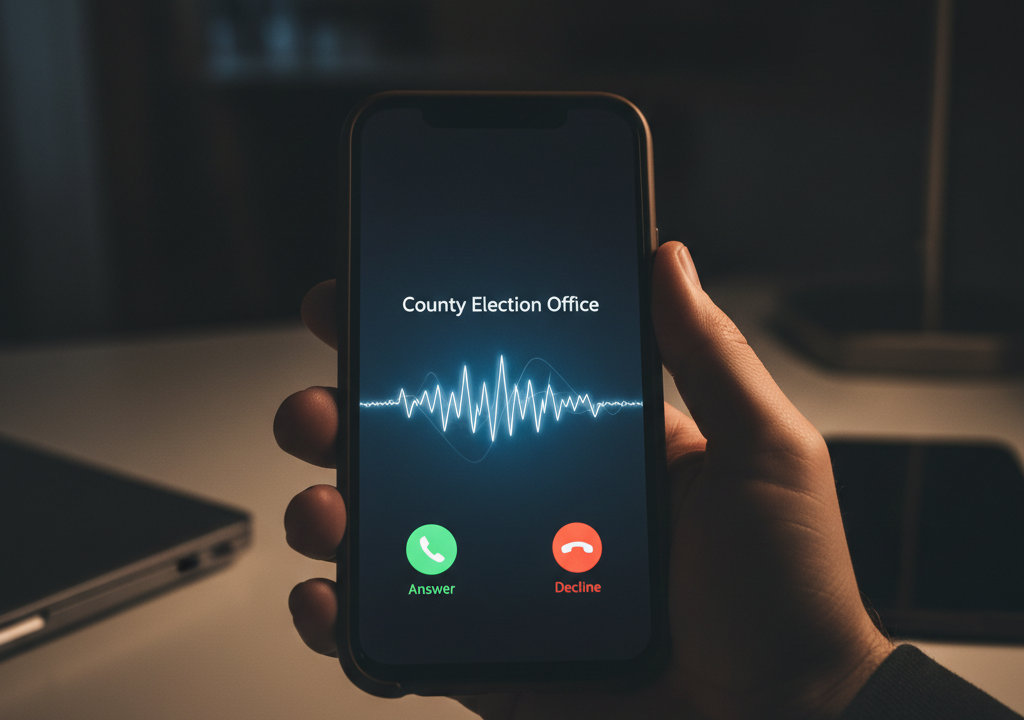
The phone rings. You pick up. The voice on the other line sounds exactly like your local county registrar, warm and familiar. They tell you that your polling place has changed at the last minute due to an unexpected water main break. They give you a new address, thank you for your time, and hang up.
But it is all a lie.
Federal law enforcement and cybersecurity officials are warning that this exact scenario is playing out across the country right now. In a joint public advisory issued on Thursday, the FBI and the Cybersecurity and Infrastructure Security Agency (CISA) sounded an urgent alarm. Highly sophisticated, AI-generated voice-cloning robocalls are systematically targeting voters in key swing states. The campaign comes just days before the high-stakes 2026 midterm elections.
A Dangerous New Frontier in Disinformation
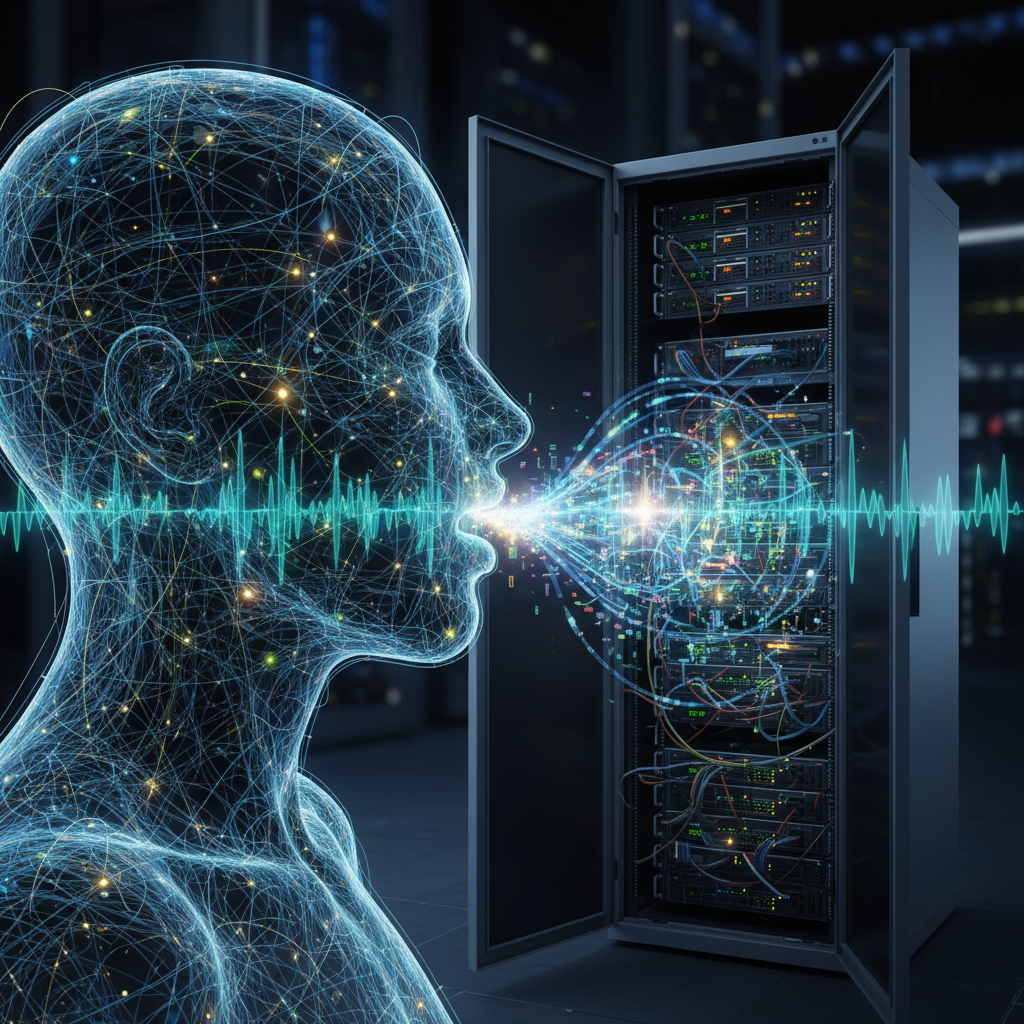
This is not the robotic, easily identifiable spam of previous election cycles. Today’s deepfake technology has advanced to the point where malicious actors can clone a person’s voice with terrifying accuracy using less than thirty seconds of recorded audio. Often, this audio is easily scraped from public social media accounts, news broadcasts, or local government meetings.
According to the FBI and CISA, these calls are specifically designed to mimic trusted authority figures. Voters in states like Pennsylvania, Georgia, Michigan, Wisconsin, and Arizona have reported receiving calls that sound identical to local election officials, state secretaries of state, and even well-known local community leaders.
The goal is simple: sow confusion and suppress the vote where margins are razor-thin.
“Bad actors are leveraging generative AI to scale up disinformation with unprecedented speed,” the joint advisory warns. “These voice-cloning schemes are engineered to deceive voters into believing they are receiving official instructions from trusted sources, ultimately aiming to disrupt the democratic process.”
How the Scams Work
The tactics vary, but federal investigators have identified several common themes in the fraudulent calls reported over the last forty-eight hours:
- Fake Polling Place Changes: Voters are told their designated voting location has closed or moved to a different facility across town.
- Registration Discrepancy Scams: The cloned voice claims there is an issue with the voter’s registration status and insists they must verify their Social Security number or address over the phone to remain on the voter rolls.
- False Mail-In Deadlines: Calls targeting elderly or disabled voters falsely state that mail-in ballot deadlines have been extended, prompting them to delay mailing their ballots until it is too late for them to be legally counted.
- Impersonation of Loved Ones: In some highly targeted cases, voters have received calls that sound like family members claiming they are stuck at a polling place that is refusing to accept certain IDs, spreading panic and confusion.
The sophistication of these operations is aided by caller ID spoofing. This technique makes the call appear on a smartphone screen as though it is coming directly from a local government office or a legitimate state agency.
The Swing State Targets
Security analysts note that the targeting is highly precise. The calls are not being blasted nationwide at random. Instead, they are concentrating heavily on specific zip codes in suburban swing districts. These are the areas expected to decide which political party controls the Senate and the House of Representatives for the next two years.
State election officials are scrambling to counter the tide of disinformation. In Pennsylvania, the Department of State has already set up a dedicated rapid-response team to address reports of cloned calls. They are urging voters to double-check any phoned-in instructions against official state databases.
“We knew this technology was coming, but the sheer volume we are seeing this week is unprecedented,” said one state election director, who spoke on the condition of anonymity. “It takes seconds to create these clips. By the time we track down the source, the damage has often already been done to hundreds of voters who now don’t know where to go.”
How to Protect Yourself and Verify the Truth
With only days left before the polls close, federal authorities are urging the public to adopt a posture of healthy skepticism. If you receive a phone call regarding your voting status, registration, or polling location, CISA recommends taking the following steps:
- Do not trust caller ID: Even if the call appears to come from your local county courthouse, remember that numbers can be easily spoofed.
- Hang up and call back: If a caller tells you your voting status has changed, hang up immediately. Find the official, verified phone number for your local board of elections on a secure .gov website and call them directly.
- Verify online: Most states have official online portals where you can check your registration status and find your polling place in real-time. Use these official tools instead of relying on phone calls or text messages.
- Report suspicious activity: If you receive a suspected voice-cloning call, report it to the FBI’s Internet Crime Complaint Center (IC3) or your local state election division.
The battle against AI-driven election interference is far from over. As technology continues to outpace federal regulations, the responsibility of verification is increasingly falling on individual citizens. Stay vigilant, verify your sources, and do not let a synthesized voice steal your vote.