Why the Sunshine Protection Act Is Still Stalled in Congress
As Americans fall back once again, federal efforts to make daylight saving time permanent remain completely paralyzed in Washington. Here is why.

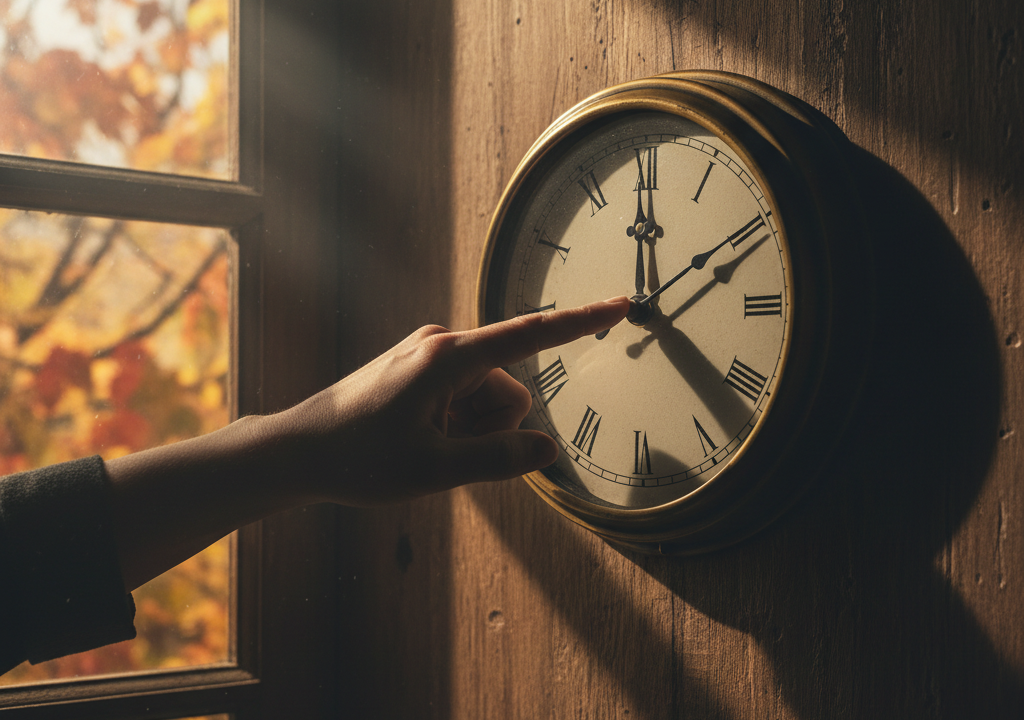
It happened again. At 2:00 a.m. on Sunday, November 1, 2026, clocks across most of the United States ticked backward. The annual shift returned the nation to standard time, trading evening light for brighter mornings and plunging afternoon commutes into sudden darkness. For millions of sleep-deprived citizens, the shift was accompanied by a familiar wave of frustration.
We were supposed to be done with this. Years ago, a political breakthrough promised to end the biannual time change once and for all. Yet, here we are, still turning the dials. The Sunshine Protection Act, the federal bill aimed at making daylight saving time permanent, remains deeply frozen in legislative limbo.
The gridlock is not due to a lack of interest. It stems from a quiet, stubborn clash of science, economics, and geography that has made a seemingly simple fix nearly impossible to pass.
The Brief Moment of Hope
The movement to stop the clock changes reached its peak in March 2022. In a rare moment of unanimous consent, the U.S. Senate passed the Sunshine Protection Act, championed by Senator Marco Rubio of Florida. The news caught the country by surprise. For a brief moment, it looked like the era of “spring forward” and “fall back” was finally ending.
But the momentum died almost immediately. The bill stalled in the House of Representatives and expired when that Congress ended. Subsequent versions introduced by Rubio and Representative Vern Buchanan have faced the exact same fate. Year after year, the legislation is introduced, referred to committee, and left to gather dust.
The fundamental issue is that while almost everyone hates the twice-a-year switch, nobody can agree on which time to keep permanently.
Health vs. Commerce: The Ultimate Standoff
The debate has divided various interest groups into two stubborn camps. On one side are the proponents of permanent daylight saving time. This group includes retail associations, golf course owners, and tourism groups. They argue that longer evening light encourages people to go outside, shop, dine, and exercise after work. To them, more sun in the evening is a clear boost to both public health and the economy.
On the other side stands a formidable coalition of medical professionals, sleep researchers, and educators. Organizations like the American Academy of Sleep Medicine strongly oppose permanent daylight saving time. Instead, they advocate for permanent standard time.
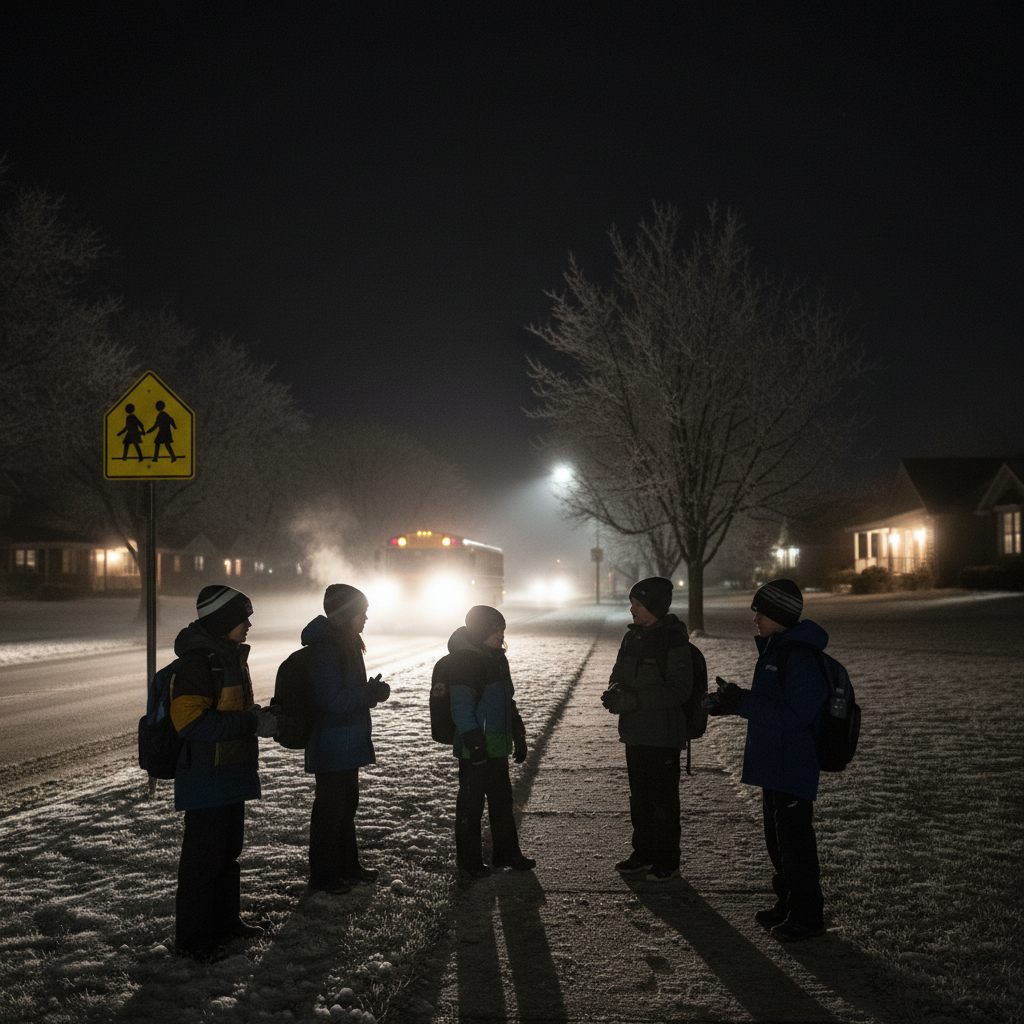
According to sleep doctors, standard time aligns much better with the human biological clock. Our bodies rely on morning sunlight to release cortisol and wake us up naturally. If the country adopted permanent daylight saving time, winter sunrises in some areas would not occur until nearly 9:00 a.m.
Get free $1000 Amazon gift crad
“We would be sending children to school in the pitch black for months,” says Dr. Karin Johnson, a neurology professor and sleep specialist. “The safety risks for kids walking to bus stops in the dark are very real. Plus, chronic sleep deprivation increases when we force our bodies to wake up before the sun.”
The Map Problem
The debate is further complicated by geography. The United States is vast, and a single federal policy affects regions in vastly different ways. Those living on the eastern edge of a time zone experience sunrise and sunset much earlier than those on the western edge.
Under permanent daylight saving time, a city like Boston would see winter sunrises around 8:15 a.m. But further west in the same time zone, Detroit would not see the sun rise until 8:43 a.m. In the Central time zone, places like Bismarck, North Dakota, would have winter sunrises as late as 9:40 a.m.
Because of this, lawmakers from northern and western parts of time zones are highly reluctant to support permanent daylight saving. They remember the country’s disastrous experiment in 1974. During an energy crisis, Congress enacted permanent daylight saving time in January. Public support plummeted instantly as parents complained about dark winter mornings, and the law was repealed just eight months later.
The States Are Tired of Waiting
While Washington hesitates, state legislatures have grown impatient. Since 2018, at least 30 states have passed laws or resolutions to establish permanent daylight saving time. However, there is a catch: under the Uniform Time Act of 1966, states can opt out of daylight saving time and stay on standard time year-round—as Arizona and Hawaii do—but they cannot adopt permanent daylight saving time without federal approval.
Consequently, all those state laws are essentially trigger laws. They are completely powerless until Congress acts. A few states have attempted to bypass this by proposing a collective shift to permanent standard time, but those efforts have struggled to gain statewide consensus.
Where Do We Go From Here?
As the winter of 2026 approaches, the path forward remains highly uncertain. Lawmakers are wary of forcing a change that could trigger immediate voter backlash. For now, the Sunshine Protection Act remains a textbook example of how a popular idea can get hopelessly tangled in the realities of governing a geographically diverse nation.
Until a compromise is reached, Americans will continue to grumble, reset their microwaves, and wait for the sun to return.