FTC Warns Shoppers of Viral $1,000 Amazon Gift Card Scam
The FTC has issued an urgent warning about a viral "GEET $1,000 Amazon Gift Card" phishing scam targeting holiday shoppers. Here is how to stay safe.


The holiday shopping rush is in full swing, and scammers are working overtime. Federal regulators are sounding the alarm on a massive phishing campaign that promises a free $1,000 Amazon gift card but leaves victims with empty hands and stolen personal data.
The Federal Trade Commission (FTC) recently issued an urgent warning regarding the viral scam. It often arrives via text message, email, or social media posts, sporting a glaring typo: “GEET your $1,000 Amazon gift card now.” Despite the spelling error, thousands of hopeful shoppers are falling for the trap.
How the Phishing Scheme Works
It starts with a simple, tempting message. You get a text or see a Facebook post from what looks like a friend or an official-looking account. The message claims Amazon is giving away massive gift cards to celebrate the holidays or thank loyal customers. All you have to do is click a link.
That link leads to a highly convincing spoofed website. It mimics Amazon’s branding, complete with the familiar logo and color scheme. Once there, you are prompted to answer a few quick survey questions. Then comes the catch.
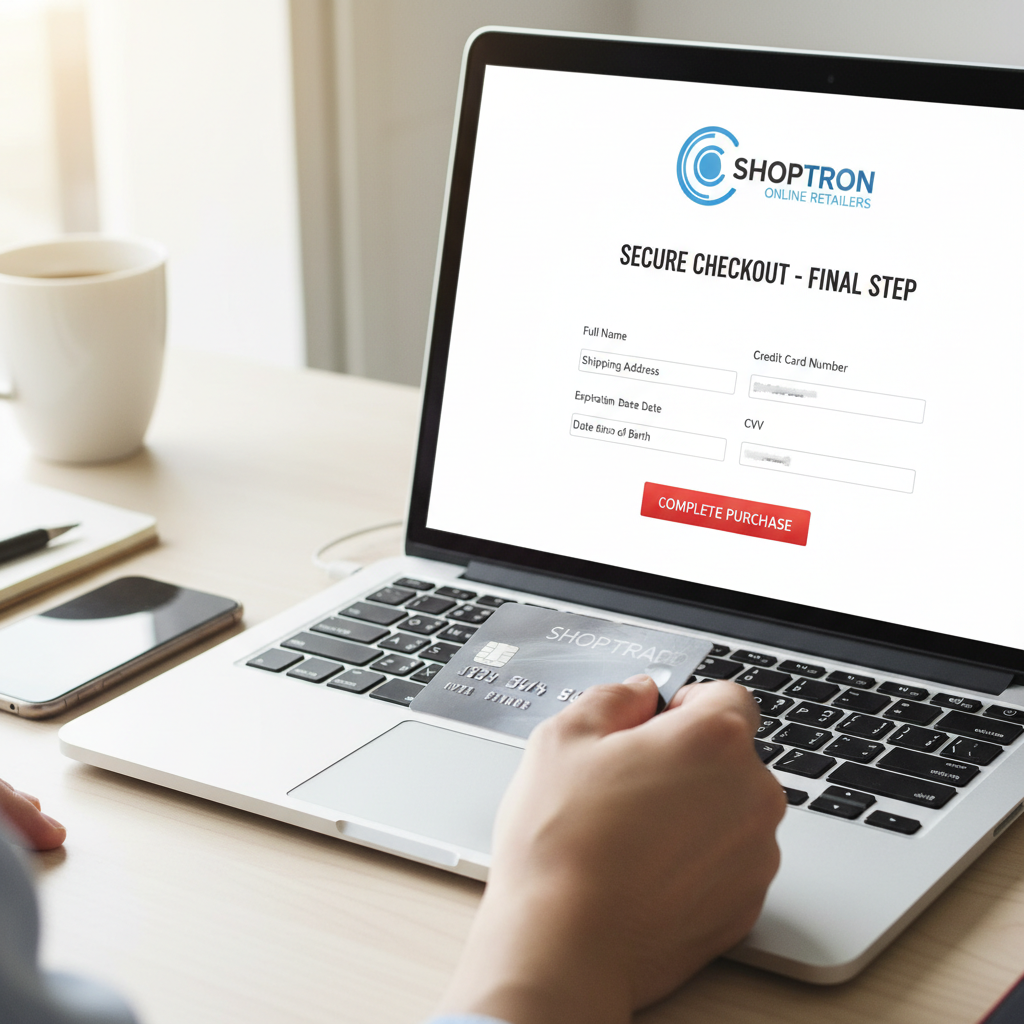
To claim your prize, the site asks for your personal information. This includes your full name, home address, phone number, and email. In many cases, the scammers take it a step further. They demand a small “shipping” or “processing” fee, usually between $1 and $5, to deliver the digital card. To pay this, you have to type in your credit card details.
“If someone offers you a free gift card but asks you to pay a fee to get it, it’s a scam,” the FTC warns. Genuine companies do not require you to pay money to receive a prize.
The Traps and Red Flags to Watch For
Once the fraudsters have your credit card number and personal details, the consequences can be severe. They can drain your bank account, make unauthorized purchases, or sell your information on the dark web. Some victims also report being signed up for expensive monthly subscriptions without their consent.
The scammers also use viral marketing tactics to spread the fraud. Before you can claim your fake reward, the website often forces you to share the link with ten friends or post it to your social media accounts. This creates a chain reaction. People trust the link because it comes from someone they know, allowing the scam to spread exponentially. How can you spot these tricks before it is too late?

The FTC points out several red flags that should immediately raise suspicion:
- Spelling errors: Phishing messages often contain awkward phrasing, grammatical mistakes, or typos like “GEET” instead of “GET.” While major corporations occasionally make mistakes, a massive giveaway with glaring spelling errors is a dead giveaway of fraud.
- Suspicious sender details: If you receive a text message from a random mobile number or an email from a weird, scrambled address, do not reply. Amazon does not send promotional text messages from personal 10-digit phone numbers.
- Unbelievable offers: A $1,000 gift card just for filling out a survey is simply too good to be true. Legitimate companies rarely hand out such large sums of money for virtually no effort.
What to Do If You Fell for It
If you have already clicked on the link and shared your information, you need to act fast. Contact your bank or credit card company immediately to report fraudulent activity and secure your accounts. Change your passwords, especially if you use the same password for multiple websites. You should also monitor your credit report for any unusual activity.
To help stop these criminals, report any suspicious messages to the FTC at ReportFraud.ftc.gov. You can also forward spam texts directly to 7726 (SPAM) so your mobile carrier can block the sender’s number.
Remaining vigilant is your best defense this holiday season. Keep your personal information private, think twice before clicking on unsolicited links, and remember that if an offer looks too good to be true, it almost certainly is.