How the Urban-Rural Divide Shaped California’s Prop 40 Vote
The voting map for California's Proposition 40 reveals a state deeply split between its wealthy coastal cities and inland agricultural heartlands.

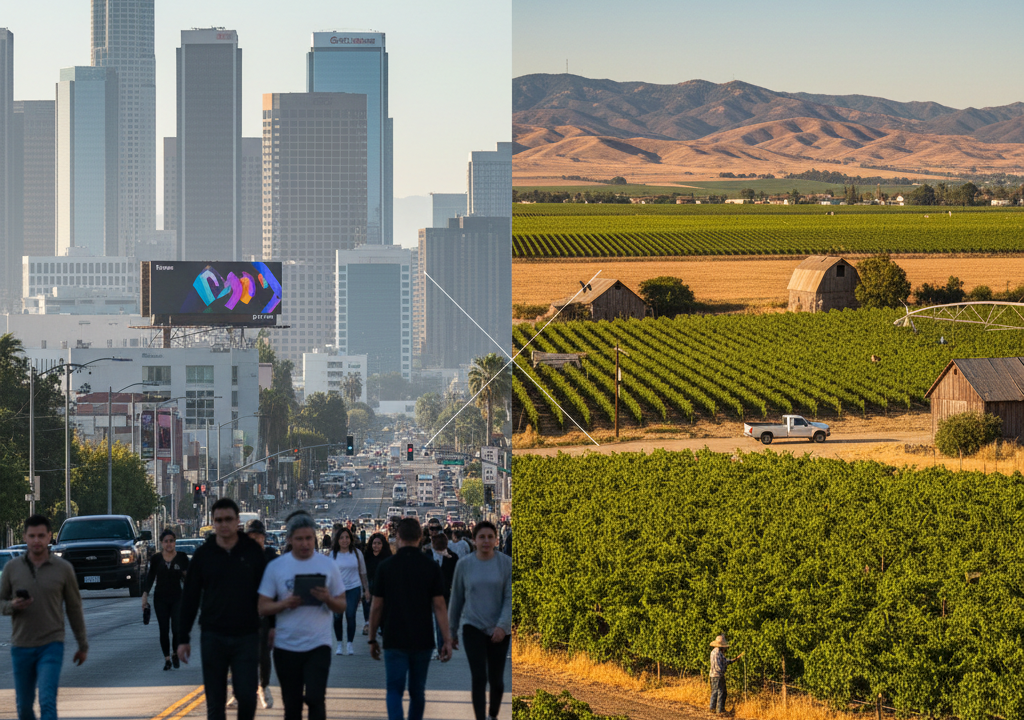
If you want to understand how California works, look at the voting map for Proposition 40. The results show a state deeply divided, not just by political parties, but by geography. On one side are the crowded, wealthy coastal cities. On the other are the vast, agricultural inland counties. This geographic split determined the fate of the measure, showing how different life is depending on which side of the coastal mountain ranges you call home.
A Tale of Two Californias
Proposition 40 aimed to funnel billions of dollars into state parks, clean water initiatives, and coastal protection. For voters in places like Los Angeles and San Francisco, it seemed like an easy choice. They saw a chance to protect natural beauty and secure clean drinking water. But in the Central Valley and northern rural areas, the proposition looked very different. To many residents there, it felt like another mandate pushed by urban lawmakers who do not understand rural economies.
The final tally revealed a stark contrast. In coastal counties, support for Prop 40 soared, often crossing the 65% mark. San Francisco and Marin counties led the charge with overwhelming approval. Meanwhile, inland agricultural hubs like Kern, Tulare, and Fresno rejected the measure by significant margins. In some rural communities, the “no” vote climbed well above 60%.

Different Priorities, Different Lives
Why is the divide so deep? It comes down to daily survival versus recreation.
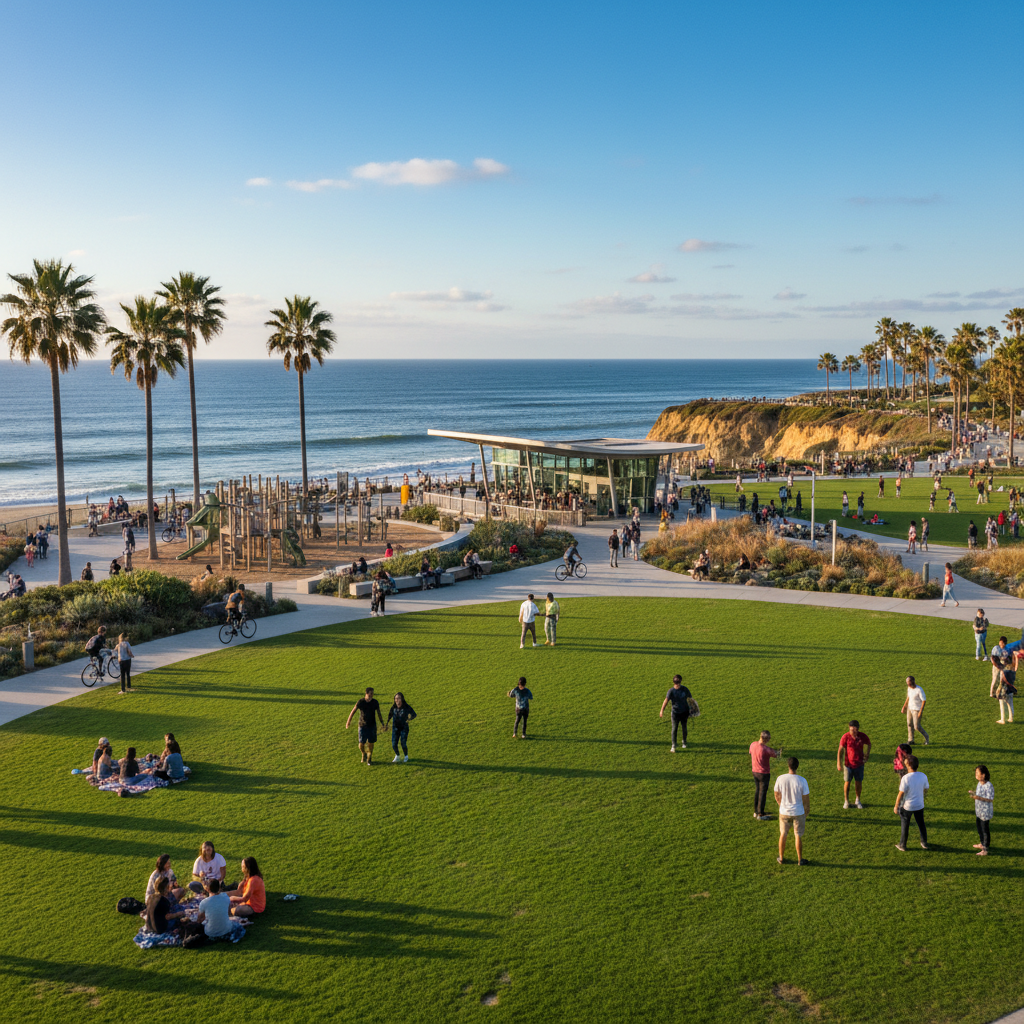
“Urban voters often view conservation through a recreational lens,” says David Chen, a regional policy analyst based in Sacramento. “They want nice parks to visit on the weekend and clean beaches. They have the tax base to support bond measures, and they don’t usually feel the direct economic bite of land-use regulations.” For city dwellers, the bond was a small price to pay for a greener state.
But for rural Californians, the stakes are different. Land is not just a place for a weekend hike; it is a livelihood. Agriculture dominates the inland economy. Farmers and ranchers worry that state-funded conservation efforts will lead to tighter restrictions on water use and pesticide applications. There is also a lingering resentment about how state money is spent.
“A lot of folks out here feel like they pay the price while the coast gets the perks,” says Sarah Kovac, a third-generation farmer in Madera County. “They pass these bonds, buy up agricultural land, and take it out of production. That hurts our local tax base and kills jobs. We need water for our crops, not more state bureaucracy.”
The Growing Political Imbalance
This divide is not new, but political observers say it is growing wider. As coastal cities become more densely populated and politically dominant, rural counties feel increasingly sidelined in Sacramento. Ballot initiatives like Prop 40 showcase this power imbalance. Because the vast majority of California’s population lives along the coast, urban voters can easily pass statewide measures over the unified opposition of rural communities.
The voting patterns on Prop 40 highlight several key friction points between the two regions:
- Water Rights: Coastal areas prioritize environmental flows for fish and rivers, while inland regions demand reliable irrigation for crops.
- Economic Impact: Rural voters worry about job losses in farming, logging, and grazing when land is set aside for conservation.
- Tax Burden: Inland communities, which often have lower median incomes, are wary of long-term state debt funded by taxpayer-backed bonds.
The challenge going forward is finding a middle ground. Without cooperation between the coast and the valley, implementing these massive environmental projects will remain a struggle. For now, the Prop 40 vote serves as a stark reminder: California is not a monolith, and its geographic divides are as deep as ever.