How Prop 40’s Passage Will Impact California Taxpayers in 2027
With Proposition 40 projected to pass, California faces a major fiscal shift in 2027. Here is how the new tax surcharge will hit residents.


A Fiscal Recalculation for the Golden State
The votes are still being tallied, but the writing is on the wall. Proposition 40 is on track to pass. For California taxpayers, this is not just a political shift—it is a fiscal reality that will reshape the state’s financial balance sheet starting in 2027.
The measure, formally known as the Climate Resiliency and Clean Energy Tax Act, introduces a new tax bracket for the state’s top earners. It is designed to pump billions into wildfire prevention and electrical grid upgrades. But while the goals are green, the immediate financial impact will be felt in cold, hard cash.
Who is Footing the Bill?
Let’s look at the numbers. Beginning January 1, 2027, Prop 40 imposes a 0.3% personal income tax surcharge on annual earnings exceeding $5 million.
According to estimates from the nonpartisan Legislative Analyst’s Office, this change will affect roughly 45,000 taxpayers. That is a tiny fraction of California’s 39 million residents—roughly 0.1%. Yet, this small group is expected to generate an estimated $2.1 billion to $2.8 billion annually for the state.
For the average middle-class family, the direct tax bill will not change by a single cent. You won’t see a new line item on your state income tax return. However, tax experts warn that the indirect effects could still trickle down to everyday residents.

The Risk of Capital Flight
California already has the highest top marginal income tax rate in the country, topping out at 13.3%, which rises to 14.4% when including the mental health services tax. Prop 40 pushes that limit even higher.
“We are playing a risky game with our tax base,” says Robert Gutierrez, president of the California Taxpayers Association. “The top 1% of earners already pay nearly half of all personal income taxes in California. If even a handful of these high-net-worth individuals decide to relocate to tax-friendly states like Texas, Nevada, or Florida, the revenue loss could wipe out the gains from this new tax entirely.”
This concern is not unfounded. California has experienced net domestic migration losses in recent years. While many departures are middle-income families priced out by housing, the loss of ultra-wealthy residents poses a disproportionate risk to the state budget.
Where Will the Money Go in 2027?
Proponents of the measure paint a very different picture. They argue that the cost of doing nothing is far higher than the tax surcharge.
The funds generated by Prop 40 are strictly earmarked. They cannot go into the general fund to plug random budget deficits. Instead, starting in fiscal year 2027, the money will flow into two major buckets:
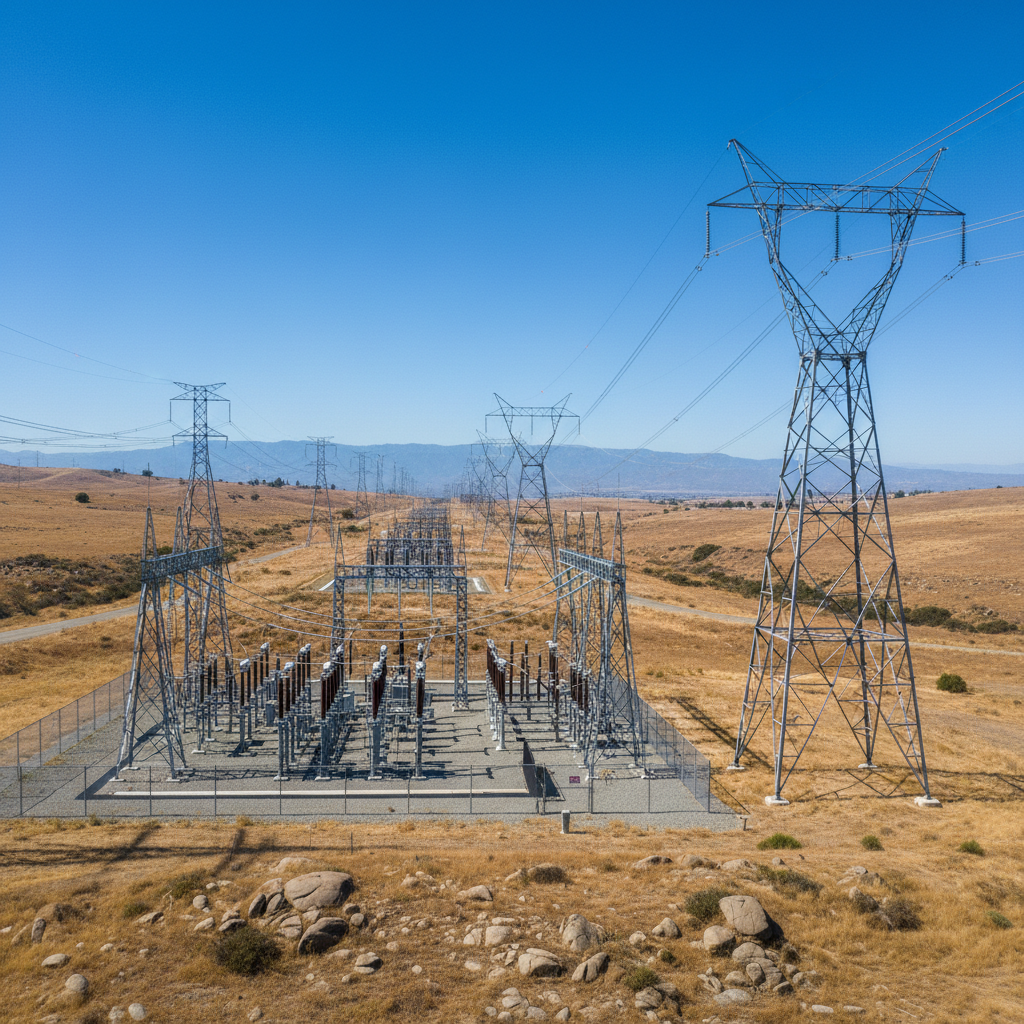
- 60% will be directed toward grid modernization, including burying vulnerable power lines underground and upgrading local substations to prevent rolling blackouts.
- 40% will go to community wildfire defense grants, funding forest management, clearing brush near residential areas, and hiring more state firefighters.
“Our state is burning, and our grid is outdated,” says Laura Davis, a spokesperson for the Clean Energy California coalition. “Prop 40 ensures that the people who have benefited the most from our state’s economy help protect its physical future. In the long run, preventing catastrophic wildfires saves every taxpayer money by lowering insurance premiums and disaster recovery costs.”
The Fiscal Timeline
Taxpayers will not feel the pinch immediately. While the measure takes effect on January 1, 2027, the actual tax filings reflecting the surcharge won’t be due until April 2028.
However, state agencies will start planning long before then. The California Department of Forestry and Fire Protection and the California Public Utilities Commission are already drafting framework plans. By mid-2027, the state expects to issue the first round of grants based on projected tax revenues.
This anticipatory spending comes with risks. If the stock market dips in late 2027, high earners will see their capital gains evaporate. Since California’s tax revenue is notoriously volatile, a sudden economic downturn could leave the state with a funding gap before the first dollar of Prop 40 revenue is even collected.
A High-Stakes Gamble
As 2027 approaches, Sacramento policymakers will have to walk a tightrope. They must prove to voters that the new revenue is being spent efficiently, while keeping a close eye on tax revenues to ensure their golden geese do not fly away. For now, the projected passage of Prop 40 marks a massive bet on California’s future—one paid for by its wealthiest residents.