Business Groups Lobby for Exemptions After Prop 40 Passes
After voters approved Prop 40's strict plastic reduction goals, business coalitions are pivoting to lobby state regulators for major exemptions.

The Post-Election Pivot
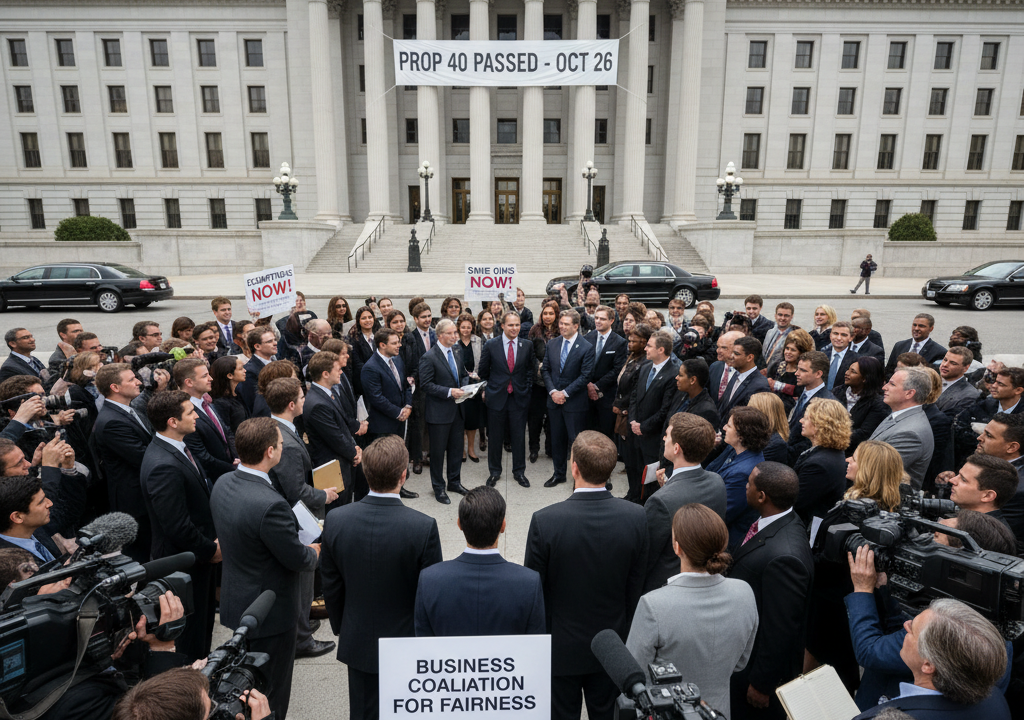
Voters approved Proposition 40 just last week. Yet, the corporate battle against it is already entering a new phase. Instead of launching costly legal challenges to overturn the environmental measure, major business coalitions are changing their playbook. They are now focusing their efforts on state regulators, quietly lobbying for carve-outs and implementation delays before the rules are written into law.
Proposition 40 passed with a 54% majority. It mandates a drastic 25% reduction in single-use plastic packaging for all consumer goods sold in the state by 2028. It also introduces stiff fines for companies that fail to comply. For many industries, the clock is already ticking. But business leaders say the current timeline is completely unrealistic.
Seeking a Lifeline for Small Businesses
The campaign against the ballot measure was expensive, but it failed to convince voters. Now, groups like the State Retailers Alliance and the Coalition for Economic Growth are taking a different approach. Their goal is no longer to kill the law, but to soften its blow through the administrative rulemaking process.
Sarah Jenkins, a veteran lobbyist representing the Coalition for Economic Growth, explained the sudden shift in strategy. “The voters wanted change, and we respect that,” Jenkins said. “But there is a massive difference between a popular ballot title and the messy reality of supply chains. If the state does not offer clear exemptions, hundreds of family-owned shops could go under.”

The coalition is pushing for several specific changes. They want a total exemption for any business generating less than $10 million in annual revenue. They are also asking for a three-year grace period on enforcement, pushing the initial compliance deadline from late 2025 to 2028. Finally, they want food-service packaging and medical supplies excluded from the plastic reduction totals altogether.
Environmentalists Push Back
On the other side of the debate, environmental advocacy groups are watching closely. They argue that the proposed exemptions would effectively gut the initiative. They are urging state regulators to hold the line against corporate pressure.
Marcus Vance, director of the Clean Future Coalition, helped write the original text of Proposition 40. He believes the business community is exaggerating the difficulties of transitioning away from single-use plastics. “We spent two years drafting this measure to ensure it was both fair and effective,” Vance said. “Giving large sectors of the economy a free pass is not what people voted for. The regulatory agency must implement the law exactly as it was written.”
Vance pointed out that several large manufacturers have already begun redesigning their packaging in anticipation of the law. “The technology exists,” he added. “It is just a matter of corporate will.”
The Regulatory Battleground
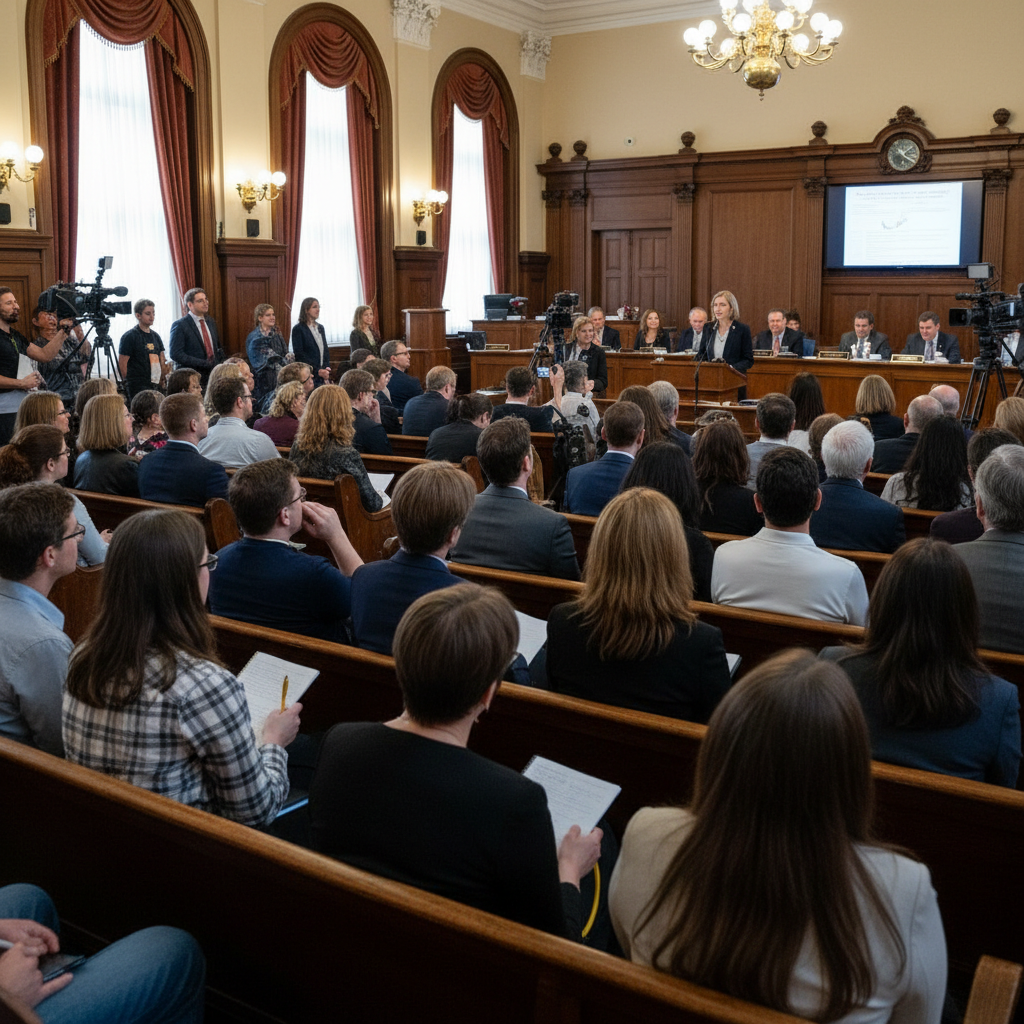
The ultimate fate of Proposition 40 now rests with the Department of Environmental Quality. Over the next six months, agency staff will draft the specific regulations that dictate how the law is enforced. This process includes public hearings and comment periods, which are expected to be highly contentious.
Regulators are caught in a difficult position. They must balance the clear mandate of the voters with the economic concerns raised by the business lobby. If they make the rules too strict, they risk facing lawsuits from industry groups. If they make them too lenient, environmental organizations will likely sue them for failing to uphold the ballot measure.
Drafting these rules is a complex task. Regulators must define what constitutes “single-use plastic” and establish a system for tracking compliance across thousands of different products. It is a bureaucratic nightmare, and every detail is up for grabs.
What Lies Ahead
For now, the lobbying frenzy is happening behind closed doors. Business leaders are meeting with agency officials, submitting detailed economic impact studies, and warning of potential supply chain disruptions. They want to make sure their concerns are reflected in the very first draft of the regulations, which is scheduled for release early next year.
Consumers may not see any visible changes on store shelves for a while. However, the quiet bureaucratic battle happening right now will decide exactly what the future of packaging looks like. The voting booths are closed, but the real work has just begun.