How Coastal Votes Carried Prop 40 Over Central Valley Opposition
California's Prop 40 passed thanks to a massive wave of coastal support, highlighting a stark political split with the Central Valley.

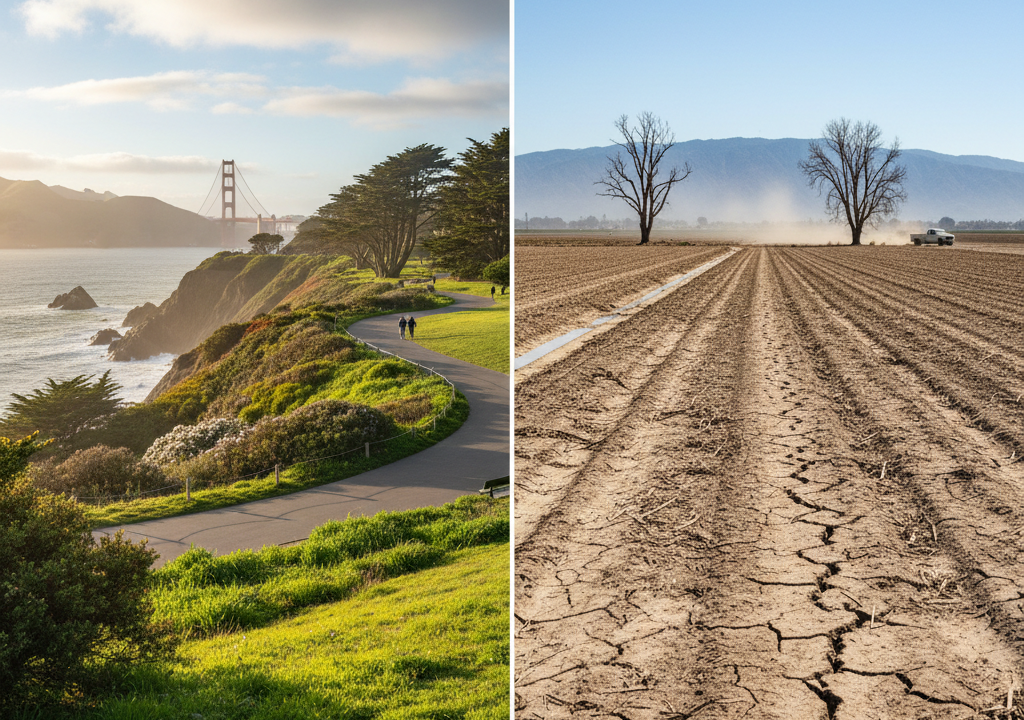
California voters have approved Proposition 40, but the victory reveals a familiar and deepening fracture. The bond measure, designed to pour billions into state parks, clean water projects, and coastal preservation, succeeded because of a massive turnout in wealthy coastal enclaves. Meanwhile, the inland communities that feed the nation voted a resounding no.
It is a classic Golden State story. One side of the coastal mountains sees an urgent need to protect natural spaces and combat climate change. The other side sees heavy-handed regulations, government overreach, and a tax burden they will have to shoulder without seeing much of the benefit. The final vote tally showed a state split right down its geographic spine.
The Coastal Wave and the Population Math
The raw political math of California always favors the coast. The San Francisco Bay Area and Southern California metropolitan regions hold the vast majority of the state’s population. Because of this, millions of urban votes can easily drown out the preferences of rural regions. Prop 40 is the latest example of this demographic reality.
In Los Angeles County, the measure passed with over 61 percent approval. San Francisco went even higher, with more than 73 percent of voters backing the bond. High turnout in San Diego, Marin, and Santa Clara counties cemented the victory, pushing the statewide total past the crucial 50 percent threshold.
For urbanites, the benefits of the bond seem obvious. The initiative promises to:
- Create and restore neighborhood parks in underserved urban areas.
- Protect clean drinking water sources from industrial runoff.
- Preserve coastal wetlands and state beaches from erosion.
- Fund wildfire prevention programs in vulnerable forested areas.
- Boost local tourism by upgrading state park facilities.
Supporters argued these projects are vital for the state’s survival as temperatures rise and droughts become more severe. To a city resident who struggles to find green space, voting yes was an easy decision.
Deep Resistance in the Central Valley
Cross the Diablo Range into the Central Valley, and the political map turns bright red. In agricultural strongholds like Kern, Fresno, and Tulare counties, the measure faced fierce opposition. Nearly 64 percent of voters in Kern County rejected the proposal outright. In Fresno, the margin of opposition was nearly as wide.
This resistance was not born out of a dislike for clean water. Rather, it stems from a deep-seated distrust of how Sacramento spends public money. Valley residents often feel they are forced to pay for policies that actively harm their local economies.
Agriculture is the lifeblood of the Central Valley. Farmers depend on reliable water infrastructure and predictable land-use policies. Many see state-funded land conservation as a threat to their livelihood. When the state buys up land to preserve it, that land is taken out of agricultural production. This reduces the local tax base, which in turn hurts funding for local schools and emergency services.
There is also a feeling of being ignored. Valley leaders point out that while their residents pay the same taxes, the lion’s share of bond money usually ends up in coastal projects or high-profile state parks far from the agricultural heartland.
An Ongoing Battle Over Resources
The divide over Proposition 40 is not just about a single ballot measure. It represents an ongoing struggle over the future of California’s natural resources. As the state grapples with water scarcity, the tension between urban preservationists and rural food producers will only intensify.
For now, the coastal majority has won this round. The billions of dollars authorized by Prop 40 will soon begin to flow into conservation projects across the state. But implementing these projects will require cooperation from the very communities that voted against them. If state officials ignore the concerns of the Central Valley, they may find that passing a bond is much easier than actually building the projects it promises.