California Prop 40 Passes: Inside the Fight for Wildfire Funds
California's Prop 40 narrowly passed, unlocking $10 billion for wildfire prevention and climate projects. Here is how the funding will be spent.

The margins were brutal. But in the end, it passed.
California voters have narrowly approved Proposition 40, a massive $10 billion bond measure designed to shore up the state’s defenses against wildfires and climate disasters. Squeaking by with just 51.2% of the vote, the measure’s tight victory reveals a deeply divided electorate. Many voters are starting to balk at the high cost of climate resilience during a time of fiscal uncertainty.
Even with the slim margin, state officials aren’t wasting any time. They are already laying the groundwork to distribute the funds. Prop 40 represents one of the biggest environmental investments in California’s history. But it also highlights a growing anxiety over state debt.
Where the Dollars Go
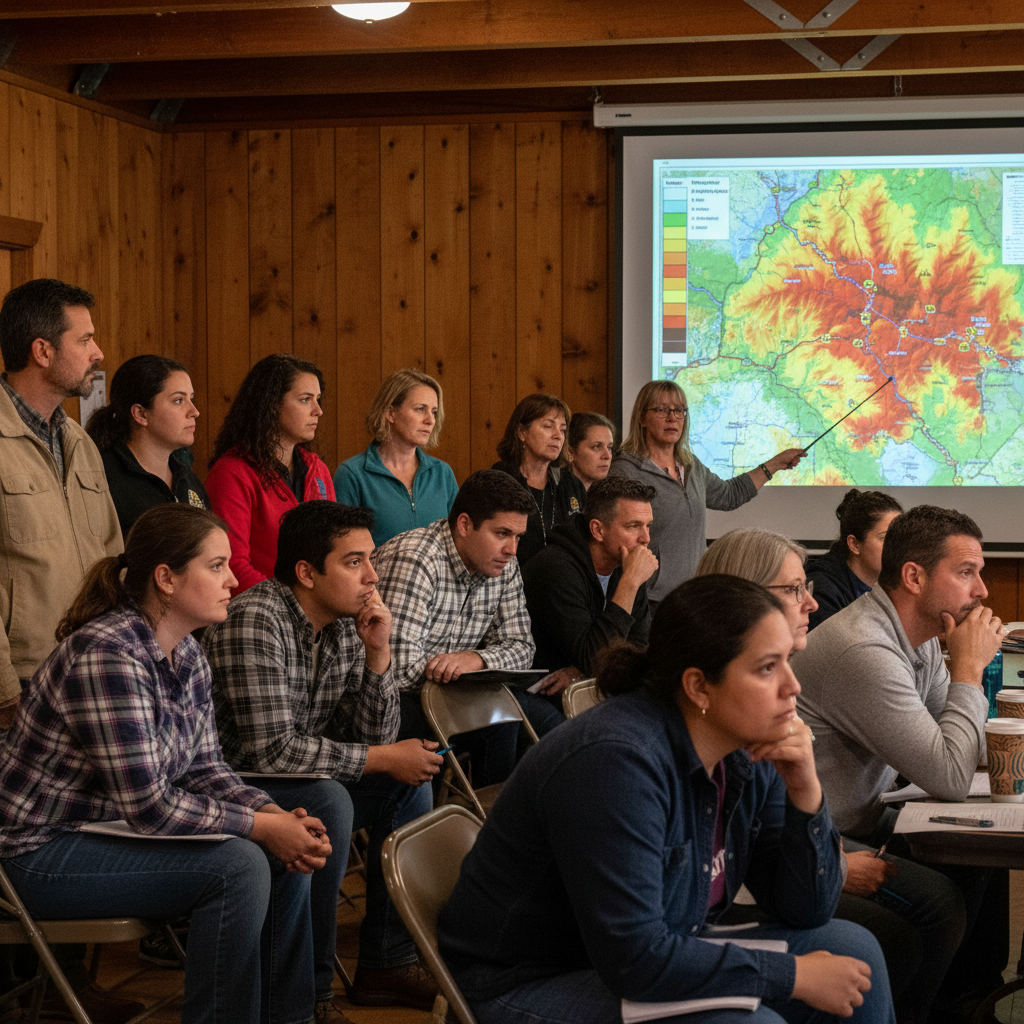
The bond allows the state to borrow $10 billion on the bond market. Over the next few decades, California will pay that money back with interest out of its general fund. It is a big bet on the state’s future. Here is how the money will be divided up:
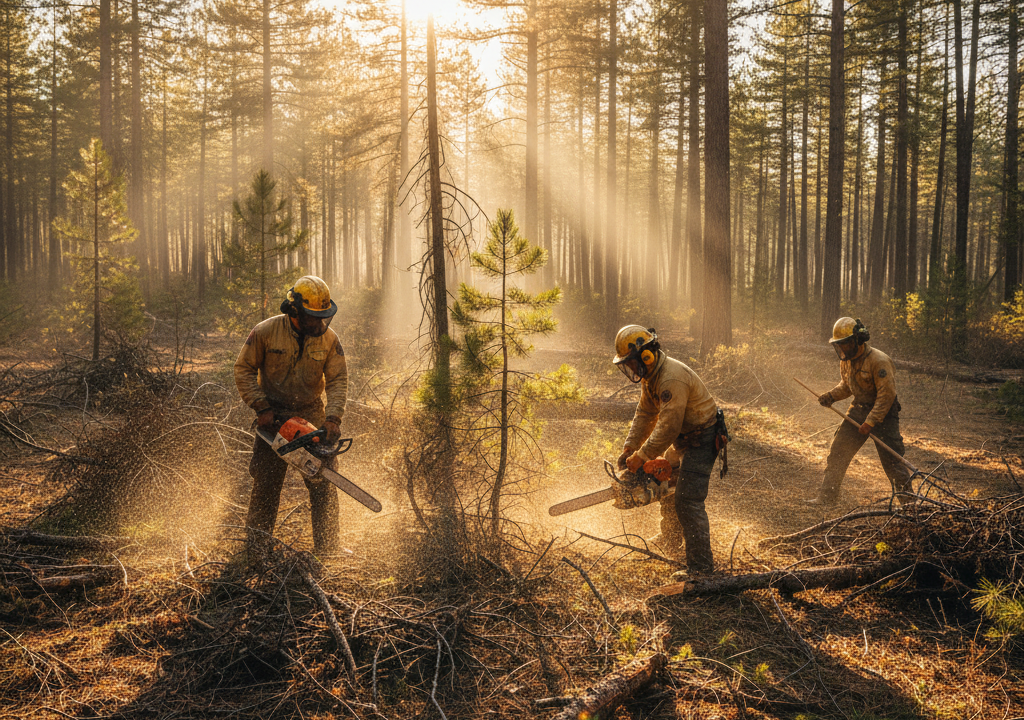
- Wildfire Prevention ($3.8 billion): This chunk goes directly toward clearing dry brush, launching controlled burns, and creating defensive barriers around mountain towns.
- Water Protection ($2.7 billion): Funds will help clean up drinking water, store groundwater, and reinforce aging flood control systems.
- Coastal Safeguards ($1.5 billion): Money is set aside to fight rising sea levels and restore damaged marine ecosystems along the Pacific.
- Energy and Parks ($2 billion): This portion will fund community parks and help protect the state’s power grid from failing during summer heatwaves.
For local fire agencies, the money can’t come soon enough. “We’ve been running on fumes for years when it comes to fire prevention,” said Marcus Vance, a retired Northern California battalion chief who campaigned for the measure. “This isn’t about politics. It’s about clearing out the fuel before the next dry lightning storm hits. It’s the difference between saving a town and watching it burn.”
The True Cost of Borrowing
While environmental groups are celebrating, the opposition came incredibly close to pulling off an upset. A coalition of taxpayer advocates argued that borrowing is the most expensive way to handle climate change. They point out that interest payments will likely push the final price tag of Prop 40 past $16 billion.

“Borrowing billions when we already have a massive budget deficit is reckless,” said Susan Cho, a spokesperson for the California Taxpayers Alliance. “We are putting our current climate bills on a high-interest card and passing the bill to our kids. These projects should be funded through our yearly budget, not through more debt.”
That argument resonated deeply outside the state’s major cities. A look at the election map shows a stark divide. Urban coastal areas voted heavily for the bond, while the rural and inland counties—often the very places most threatened by wildfires—voted against it. It is a strange paradox. The communities most in danger are often the most skeptical of state spending.
What Happens Next?
With the election over, the real challenge begins. California has a history of slow-moving bureaucracy when it comes to spending bond money. To keep things on track, Prop 40 requires an independent citizen oversight committee to watch where every single dollar goes.
Local agencies are already scrambling to write grant proposals. Cal Fire hopes to get its hands on the first wave of funding by early next year to expand winter clearing projects. The pressure is on. Another dry summer is always just around the corner, and the state’s forests are packed with dead timber.
Ultimately, Prop 40’s close call is a warning sign for lawmakers in Sacramento. Californians want protection from climate change, but they aren’t willing to write blank checks anymore. Future environmental measures will face a much harder climb. For now, though, the money is coming. Local communities are getting ready to put it to work.