How Sean Payton’s Defense Solved Patrick Mahomes
An analytical breakdown of how Vance Joseph and Sean Payton drew up a masterclass to rattle Patrick Mahomes in Denver's stunning upset over Kansas City.

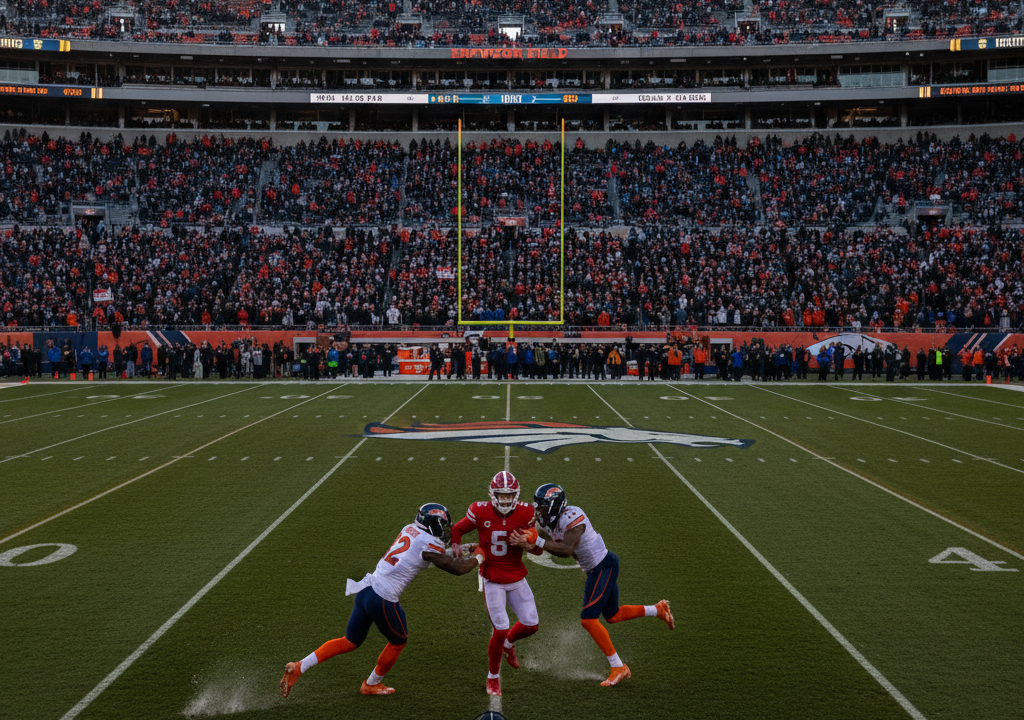
The Masterclass at Mile High
Nobody expected it. The Denver Broncos had spent years living in the shadow of the Kansas City Chiefs, enduring an agonizing losing streak that seemed destined to stretch on forever. But on a chilly November afternoon, Sean Payton and his defensive coordinator, Vance Joseph, drew a line in the turf. Denver did not just scrape by with a win; they systematically dismantled the most feared passing attack in football in a tight, physical 19-13 defensive battle.
How did they do it? They did not rely on luck. Instead, Joseph cooked up a defensive game plan that felt like a chess match where the grandmaster was always three moves ahead. By isolating Patrick Mahomes, limiting Travis Kelce, and using simulated pressures, the Broncos showed the rest of the league how to make the best quarterback in the world look human.
The Illusion of the Blitz
Against Patrick Mahomes, sending extra rushers is usually a recipe for disaster. If you blitz him with five or six defenders, he simply identifies the hot route, flicks his wrist, and watches his playmakers pick up huge chunks of yards after the catch. He thrives on chaos. Knowing this, Joseph decided to play a different game: simulated pressures.
Denver spent the afternoon showing blitz but rushing only four. They would line up six guys at the line of scrimmage, hinting at an all-out jailbreak rush. When the ball was snapped, two of those potential rushers would drop back into passing lanes. Mahomes, expecting a heavy blitz, had to quickly adjust his eyes. But instead of an open receiver, he found defenders sitting right in his throwing windows.
This tactic took away his quick-release options. It forced him to hold the ball a fraction of a second longer. In the NFL, that fraction of a second is the difference between a completed pass and a drive-killing sack.
Squeezing the Pocket: The ‘Mush Rush’
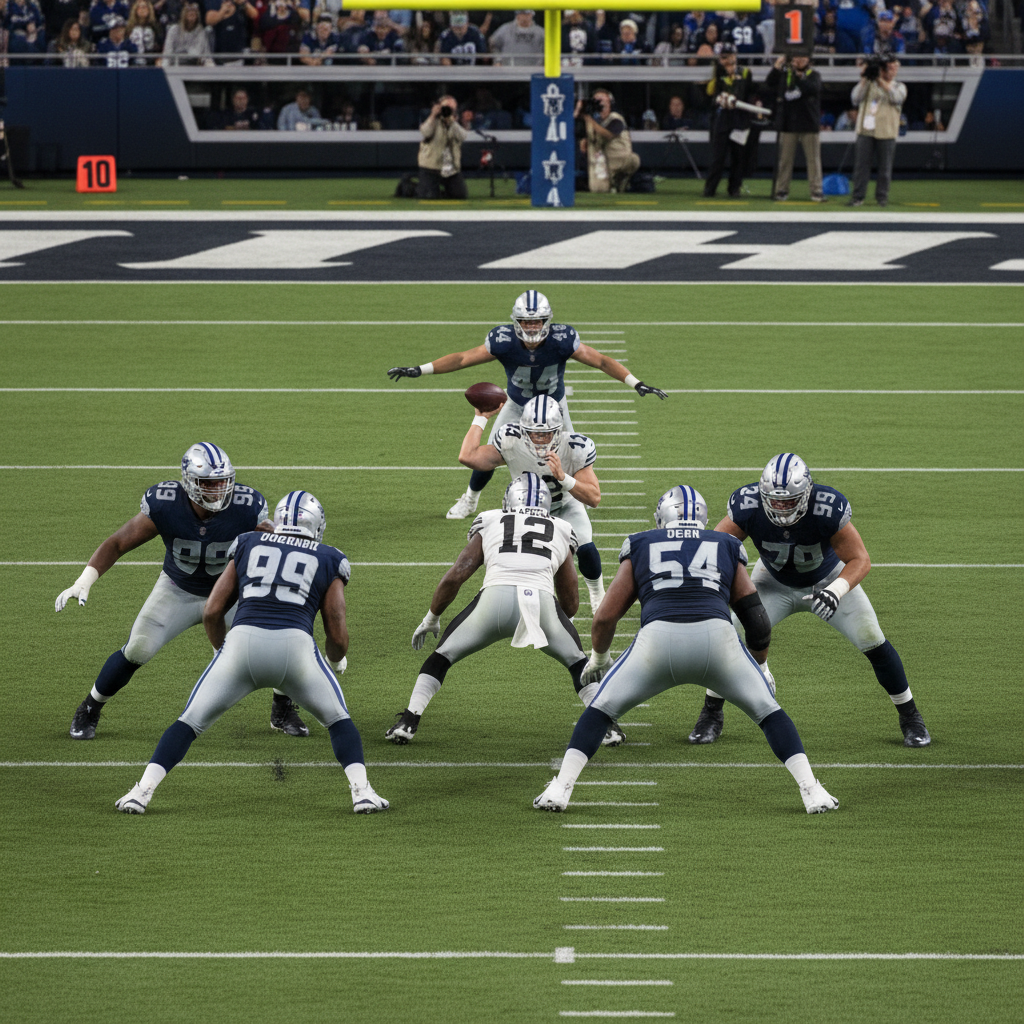
When Mahomes gets in trouble, his instinct is to escape. He loves to roll to his right, reset his feet, and launch a deep pass downfield. To counter this, Denver’s edge defenders, led by Baron Browning and Zach Allen, played what coaches call a ‘mush rush.’
They did not try to speed past the offensive tackles. Doing that would have opened up massive lanes for Mahomes to escape. Instead, they focused on keeping their shoulders square, pushing the pocket inward, and maintaining absolute lane discipline. They squeezed him from the outside. They kept him in a phone booth.
By taking away his ability to scramble and extend plays, Denver forced Mahomes to play as a traditional pocket passer. While he is still elite from the pocket, denying him those off-script, magical plays stripped the Kansas City offense of its superpower.
Suffocating Travis Kelce
You cannot stop the Chiefs without a plan for Travis Kelce. He is Mahomes’ security blanket, the guy who always finds open space when a play breaks down. Denver’s solution was simple but physically demanding: they bracketed him all day.
Before the snap, safety Justin Simmons would line up over Kelce, often backed up by a linebacker or a slot corner. They physicalized him at the line of scrimmage. They did not let him run free. By bumping him off his route early, they disrupted the timing of the entire passing game.
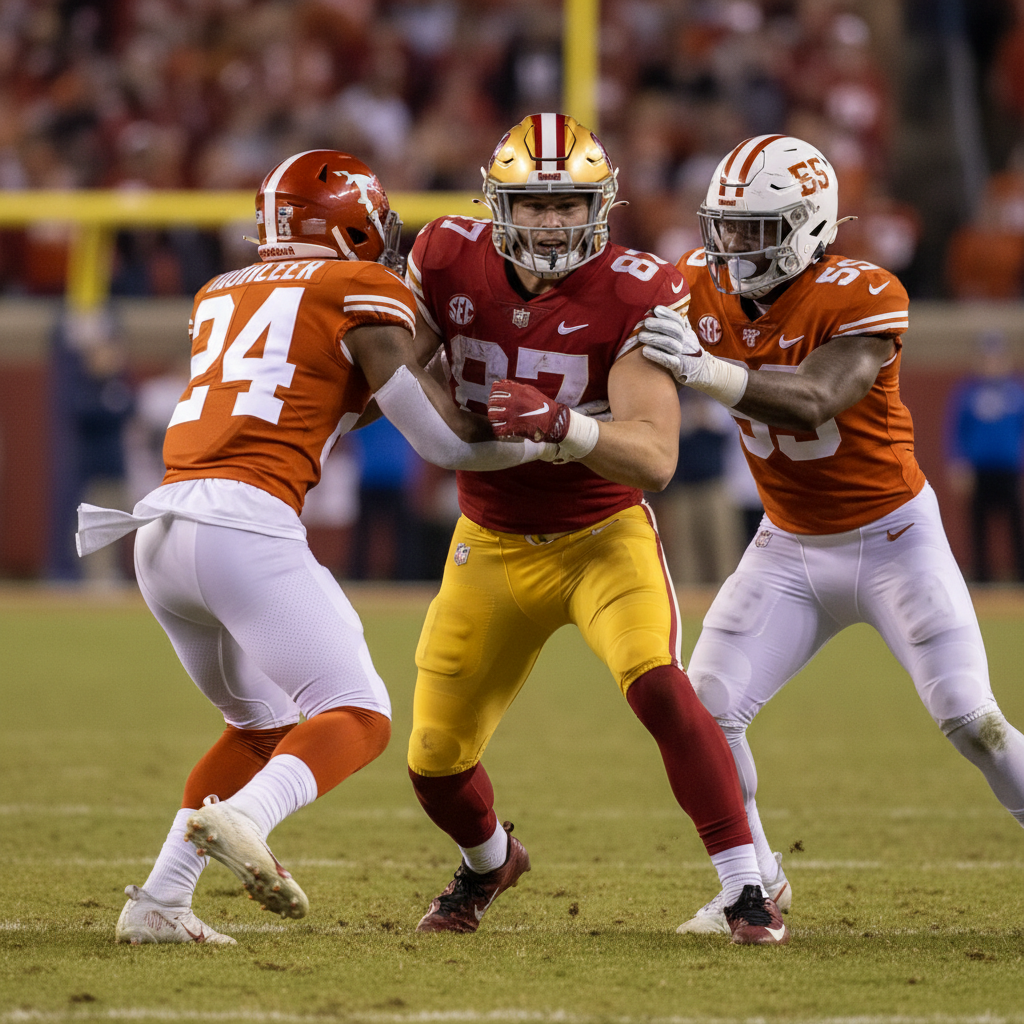
- They forced Kelce to run through traffic on almost every route.
- They kept a defender underneath and a safety over the top to take away deep seams.
- They tackled him immediately after the catch, preventing any yards after contact.
With Kelce wrapped up and unable to find soft spots in the zone, Mahomes was forced to look elsewhere. The Chiefs’ wider receiving corps struggled to win their individual matchups, stalling the offense on third downs.
Post-Snap Rotation and Late Disguises
The final piece of Payton’s defensive puzzle was mental. Throughout the game, Denver showed one coverage look before the snap and ran another after it. They would line up with two deep safeties, suggesting a soft cover-two shell. But as the ball neared the quarterback’s hands, one safety would drop down into the intermediate area, converting the defense into a single-high cover-three look.
Mahomes was forced to diagnose the coverage post-snap, while under pressure. It worked. He hesitated on several key throws, leading to off-target passes and two critical interceptions. The Broncos secondary played with an aggressiveness that suggested they knew exactly where the ball was going before Mahomes did.
The Blueprint for the Future
Denver’s victory was not a fluke. It was a masterclass in modern defensive football. Sean Payton and Vance Joseph proved that you do not need to have the most expensive roster to beat a championship-caliber team. You just need a disciplined plan, players who execute their roles perfectly, and the courage to challenge a superstar quarterback.
As teams prepare to face Kansas City in the winter months, you can bet every defensive coordinator in the league is studying this tape. Denver did more than win a football game; they gave the rest of the NFL a blueprint on how to slay the giant.