How Small Businesses Can Start Exporting Online: A Practical Guide for 2026

Slug (URL): small-business-exporting-online-guide
Focus keyword: exporting online
Category: Business
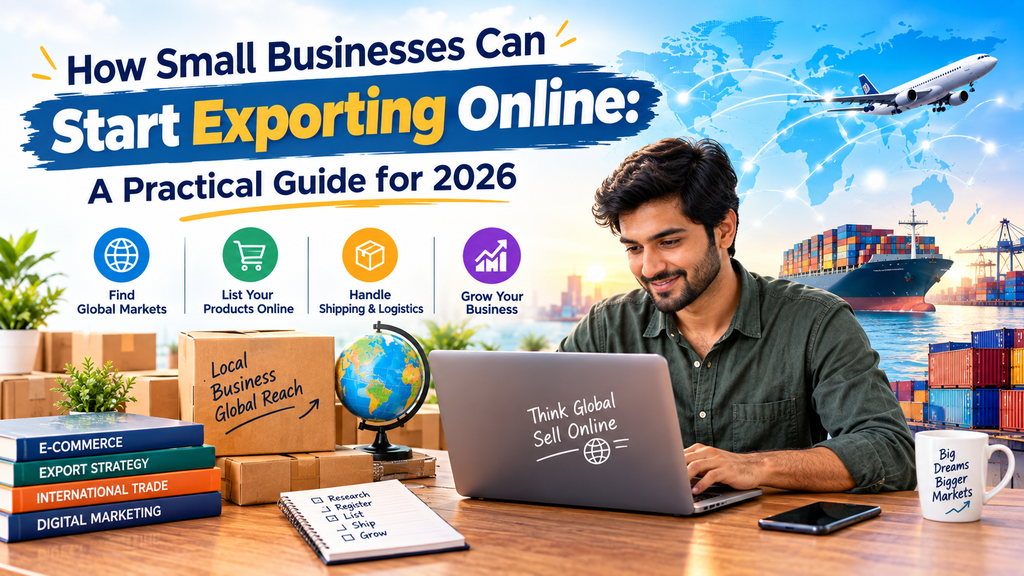
Meta description: Learn how small businesses can start exporting online, from choosing products and markets to payments, shipping and compliance, in one practical guide.
Selling to customers in other countries used to require large budgets, local agents and years of paperwork. Today, a small business with a good product and a reliable internet connection can reach international buyers. Exporting online is no longer reserved for big companies, but it does require planning. This guide explains the key steps.
1. Choose the Right Product
Not every product travels well. The best export candidates are items that are lightweight, durable and difficult to find in the target market. Textiles, leather goods, handicrafts, sports goods, spices and surgical instruments are common examples. Before you commit, check whether your product has steady demand abroad and whether your price can compete after shipping costs are added.
2. Research Your Target Market
Pick one or two countries to begin with instead of trying to sell everywhere. Study customer preferences, competitor pricing, import duties and any product standards or labelling rules. Trade bodies, chambers of commerce and government export promotion agencies often publish free market reports that can save you weeks of research.
3. Build a Trustworthy Online Presence
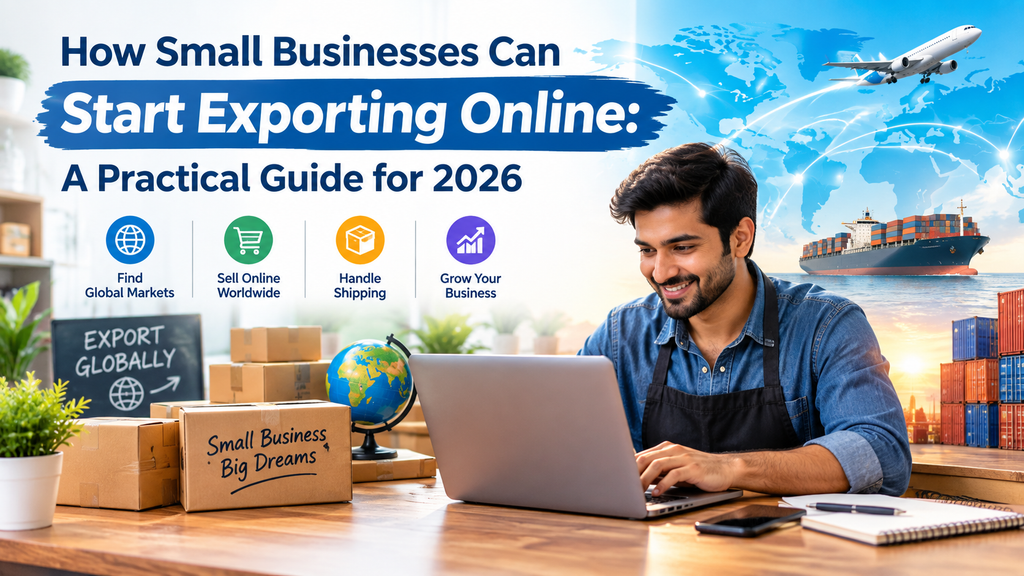
International buyers cannot visit your shop, so your website and profiles must earn their trust. Use clear photos, detailed specifications, transparent pricing and a visible business address and contact number. You can sell through your own website, through global marketplaces such as Alibaba, Amazon or Etsy, or through a mix of both. Marketplaces bring ready-made traffic, while your own site gives you control over branding and customer data.
4. Sort Out Payments Early
Getting paid safely is one of the biggest worries for new exporters. Common options include bank transfers, letters of credit for larger orders, and international payment platforms for smaller shipments.For first-time buyers, many exporters ask for an advance payment or a partial deposit to reduce risk. Always confirm the currency, the fees and the expected settlement time before accepting an order.
5. Plan Shipping and Documentation
Shipping is more than finding a courier. You will need to choose between air, sea and express options, calculate costs accurately, and prepare documents such as the commercial invoice, packing list and certificate of origin. Mistakes in paperwork cause delays at customs, so work with a licensed freight forwarder or clearing agent until you are comfortable with the process.
6. Understand Compliance and Registration
Most countries require exporters to register their business and obtain an export or tax registration. Some products, such as food, medicines and electronics, need extra certification. Check the rules of both your own country and the destination country before the first shipment goes out.
7. Start Small and Learn
Begin with a small trial order. It lets you test packaging, delivery times and customer response without risking too much capital. Collect feedback, fix weak points and then scale up gradually.
Final Thoughts
Exporting online rewards patience and preparation. Businesses that research their markets, protect their payments and keep their paperwork in order are far more likely to build lasting relationships with overseas buyers. Start with one product, one market and one careful shipment, and grow from there.