Learjet 60 Owners Face Brutal 2026 Upgrade-or-Retire Deadline
Rising maintenance costs and scarce OEM parts are forcing Learjet 60 operators to make a tough choice: spend heavily on avionics or retire their jets.

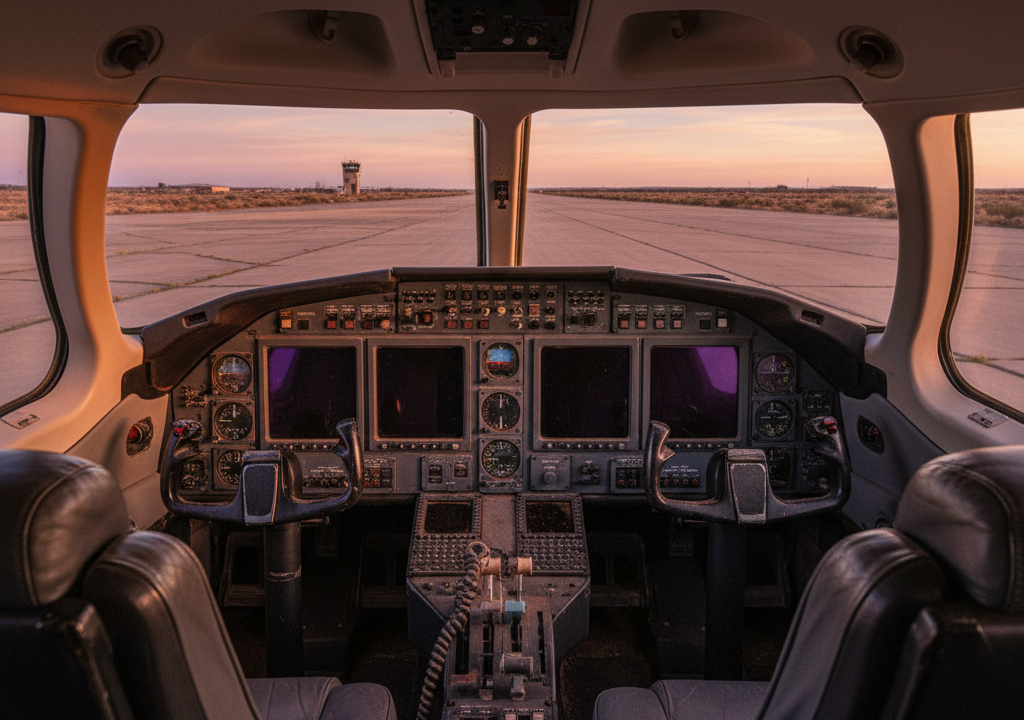
For over three decades, the Learjet 60 has been a reliable workhorse of the business aviation world. It climbs fast. It flies high. But a digital wall is looming. By late 2026, many of these iconic midsize jets will face a forced retirement. The cause is not structural fatigue or engine failure. It is the electronics in the dashboard. Specifically, the obsolescence of legacy avionics and a severe shortage of spare parts are leaving owners with a brutal ultimatum: spend hundreds of thousands of dollars on upgrades, or send the airplane to the scrap heap.
The CRT Crisis and Avionics Obsolescence
At the heart of this operational crisis is the Collins Aerospace Pro Line 4 avionics suite. It was state-of-the-art when the aircraft was designed. Today, it is a relic. The system relies on cathode-ray tube (CRT) displays—the heavy, boxy screens common in the 1990s. These displays are no longer in production, and finding replacements has become an industry-wide headache.
Collins Aerospace has warned that product support for these older systems is winding down. By the end of 2026, support will reach a critical threshold. Sourcing replacement parts for a broken Pro Line 4 display or its associated flight control computers will become nearly impossible through normal channels.
Maintenance directors are already feeling the pinch. Finding a working screen on the secondary market is like finding a needle in a haystack. If a display burns out today, mechanics must scour salvage yards or wait weeks for a refurbished unit. When the support window closes in late 2026, those temporary workarounds will disappear entirely.
The Brutal Economics of Legacy Jets
For fleet operators and private owners, the decision to upgrade comes down to a simple math problem. The problem is that the math rarely works in favor of the aircraft. Today, an early-model Learjet 60 is worth between $800,000 and $1.5 million on the open market. The value has steadily declined as newer, more efficient aircraft enter service.
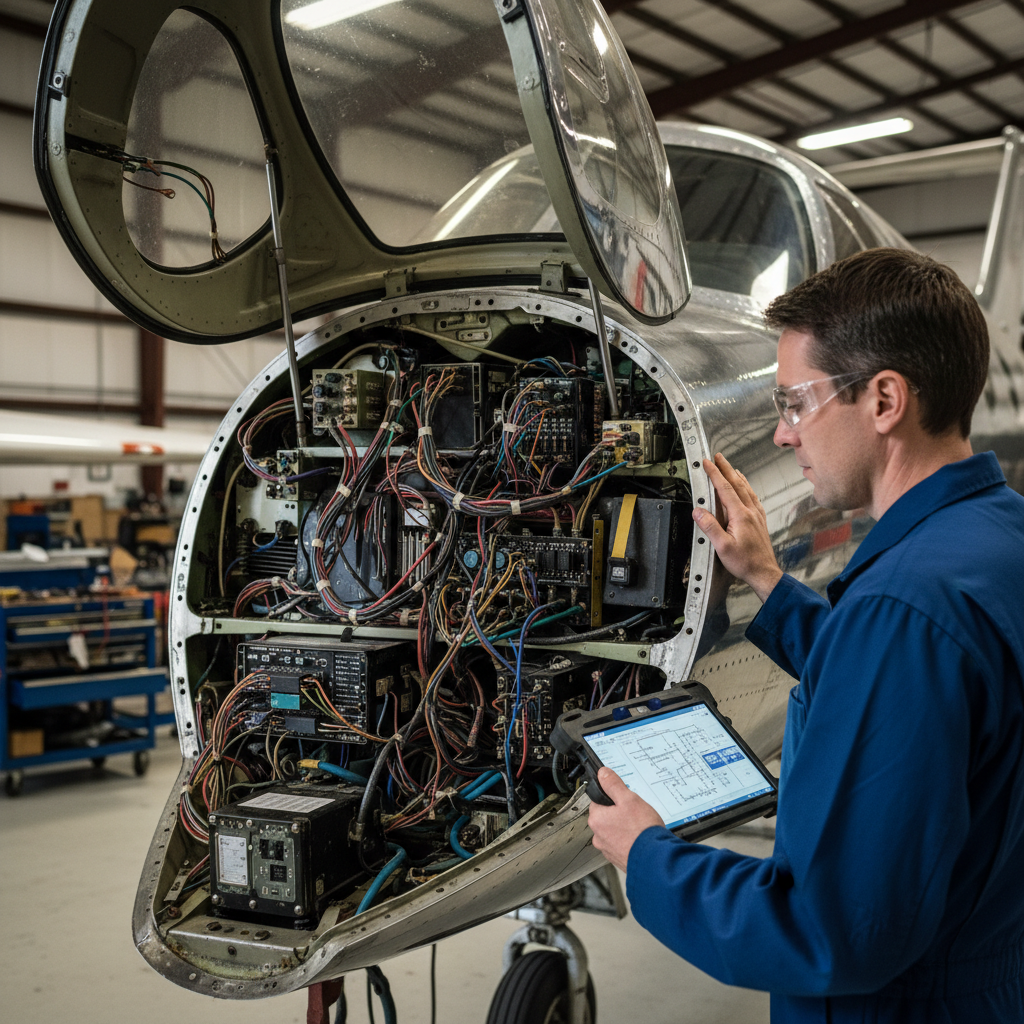
To keep a Learjet 60 flying legally past the 2026 deadline, owners must replace the outdated cockpit with a modern flat-panel glass display. These retrofits are complex. A complete avionics overhaul can easily cost between $250,000 and $500,000, depending on the specific system selected. Spending half the value of the entire aircraft on a single upgrade is a tough pill to swallow.
The avionics cost is not the only financial hurdle. The Learjet 60 is powered by Pratt & Whitney Canada PW305A engines. These engines require heavy maintenance inspections that cost hundreds of thousands of dollars per side. Add in the required 12-year structural inspections, which often reveal hidden corrosion, and the total bill to keep an older jet airworthy can quickly exceed its actual resale value.
Squeezed by OEM Parts Scarcity
The avionics bottleneck is compounded by a wider parts crisis. Original equipment manufacturers are shifting focus away from legacy fleets. With supply chains still recovery-mode and manufacturing capacity limited, producing parts for a discontinued 30-year-old jet design is a low priority.
This neglect has created long lead times for basic mechanical components. Actuators, landing gear parts, and specialized hydraulic seals are increasingly difficult to obtain. When an aircraft is grounded waiting for a single, scarce part, it cannot generate revenue. For charter operators, a grounded jet is a financial black hole.
Some owners are choosing to cannibalize their own fleets. They retire one aircraft to keep two others flying. But this is a short-term strategy that only delays the inevitable retirement of the entire line.
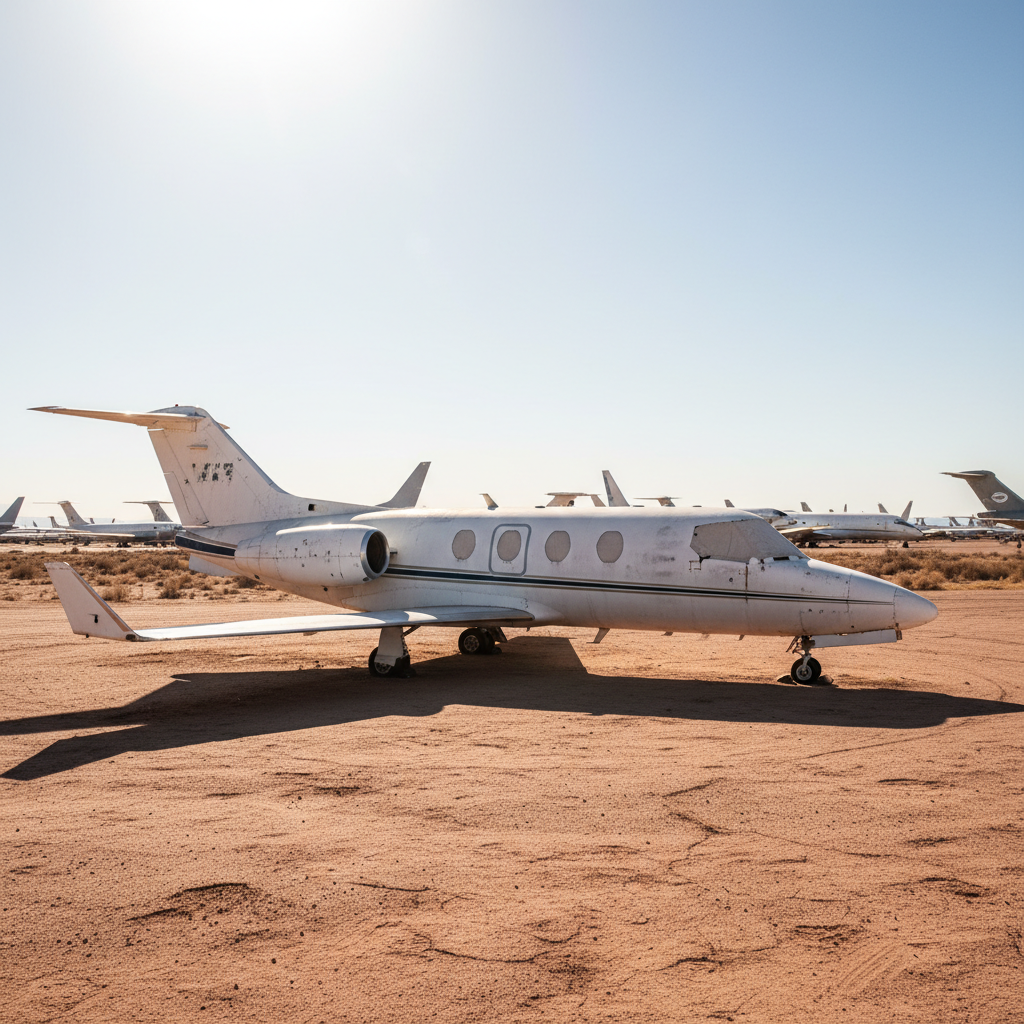
The Rise of the Part-Out Market
Because of these compounding pressures, many Learjet 60s are heading to the desert earlier than expected. Aviation salvage yards are seeing an influx of structurally sound airframes that have simply become too expensive to maintain.
When an owner decides against the avionics upgrade, the aircraft is sold to a teardown specialist. The engines, landing gear, and any functioning cockpit screens are stripped and sold as spares. The remaining aluminum shell is melted down. This grim cycle helps keep the surviving fleet flying, but it also signals a rapid shrinking of the active global fleet.
Industry analysts estimate that out of the roughly 250 active Learjet 60 and 60XR aircraft worldwide, a significant percentage will be retired or parted out by 2027. The fleet is shrinking at an accelerating rate.
An Era Comes to a Close
The looming 2026 deadline marks the twilight of one of business aviation’s most recognizable brands. Bombardier officially ended the Learjet production line in 2022, closing a chapter that began in the 1960s. Now, the physical aircraft are slowly disappearing from the skies.
A few high-utilization corporate flight departments will pay for the upgrades. They value the Learjet 60 for its high-altitude performance and fast cruise speeds. But for budget-conscious operators, charter outfits, and private owners, the numbers do not lie. The cost of modernizing the cockpit is simply too high, and the runway is running out.