New GEET Phishing Scam Targets Early Amazon Shoppers
Cybersecurity researchers warn of a sophisticated new phishing campaign called GEET that uses fake $1,000 Amazon gift cards to steal financial data.


Scammers are starting their holiday campaigns early this year.
The holiday shopping rush is already starting. Sadly, cybercriminals are getting an early start too. Security researchers have uncovered a new, highly targeted phishing operation designed to drain bank accounts. They are calling it the ‘GEET’ campaign. It lures victims with the promise of a free $1,000 Amazon gift card.
Discovered by analysts at the cybersecurity firm ThreatSec, the campaign utilizes highly sophisticated evasion tactics. This is not your average, poorly written spam email. It is incredibly polished. The emails landing in inboxes look remarkably genuine, successfully bypassing many standard security filters.
How the Trap is Set
The scam begins with an unexpected email. The subject line often screams urgency. Common examples include ‘Your $1000 Amazon Reward is Waiting!’ or ‘Loyalty Program Alert: Claim Your Voucher Now.’ Once clicked, the recipient is pushed down a digital rabbit hole.
According to ThreatSec, the campaign has already targeted tens of thousands of users across North America and Europe. The scammers appear to be timing their attacks to coincide with early holiday shopping promotions. They hope to catch distracted consumers off guard during a busy shopping season.

Instead of sending users straight to a fake site, the hackers route the traffic through multiple compromised legitimate websites. This multi-hop redirect system makes it highly difficult for automated security systems to detect the threat. By the time a security scanner tries to trace the link, the pathway has often changed.
Unmasking the ‘GEET’ Code
This clever redirect technique is where the campaign gets its name. Analysts digging into the code discovered a unique tracking parameter labeled ‘geet_id’ within the redirect URLs. This parameter serves a dual purpose:
- It tracks the progress of the victim through the scam pipeline.
- It filters out automated security bots attempting to analyze the page.
If a bot is detected, the server redirects it to a harmless, benign website. If a real human clicks, they get directed to the trap.
The Final Blow
At the end of this digital maze lies the trap. It is a flawless replica of an Amazon survey portal. To claim the fictitious gift card, victims must complete a brief survey. It feels authentic. But the real danger lies in the final step.
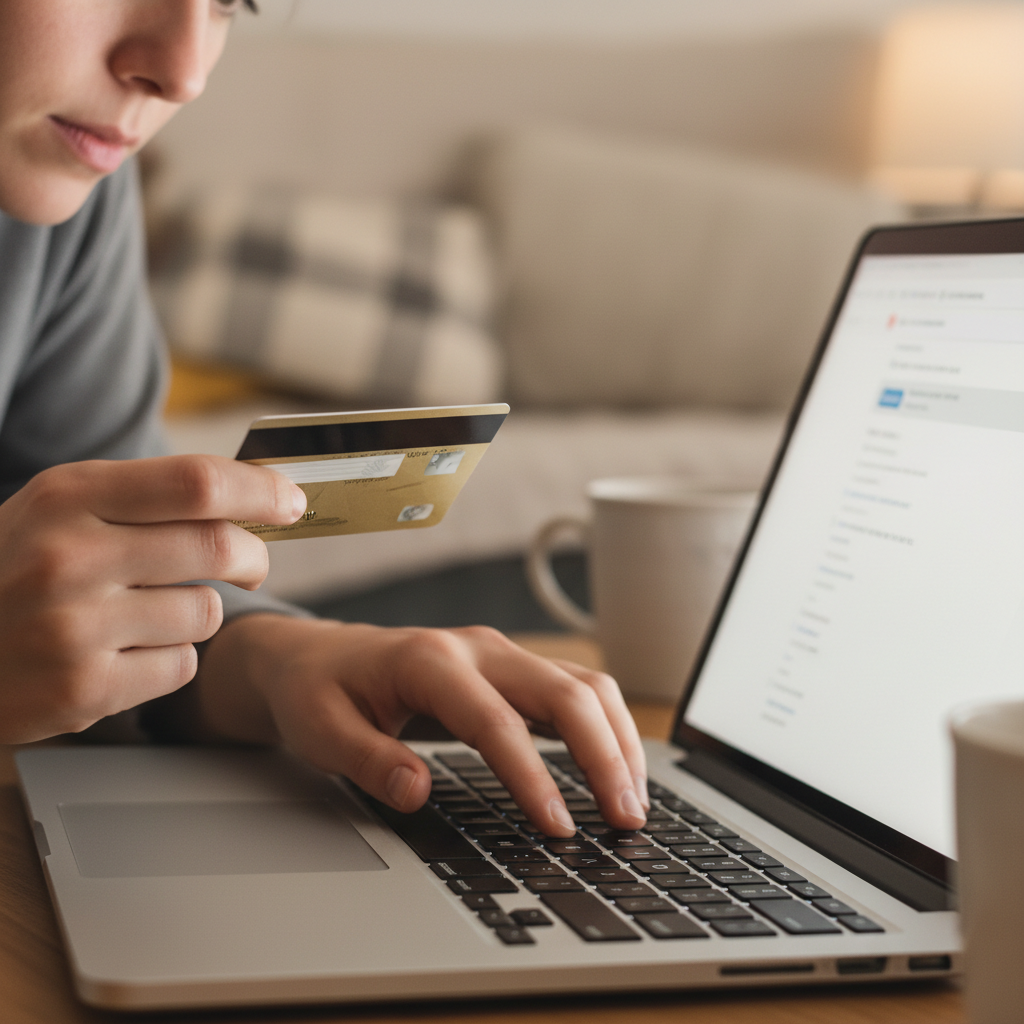
After completing the survey, users are asked to verify their identity. To do this, they must enter their full name, home address, phone number, and Amazon login credentials. Then comes the final blow: a request for a small shipping and processing fee of $1.95 to deliver the voucher. This is where victims hand over their credit card numbers, expiration dates, and CVVs.
Once the data is entered, the screen simply refreshes or displays an error message. The scammers walk away with everything they need to take over the victim’s Amazon account and make unauthorized purchases using the stolen credit card.
How to Protect Yourself
Protecting yourself requires constant vigilance, especially as the winter holidays approach. Experts advise keeping a few key safety rules in mind:
- Amazon will never ask for credit card information to process a reward or loyalty voucher.
- Always check the actual sender email address, not just the display name.
- Use a password manager, which will refuse to autofill your credentials on a fake domain.
- Enable multi-factor authentication on all sensitive accounts to prevent unauthorized access even if your password is stolen.
Staying safe online is all about pausing before you click. If an offer looks too good to be true, it almost certainly is.