Michigan Prepares for Post-Whitmer Era as Transition Begins
With the gubernatorial election over, Lansing shifts from campaign mode to the complex reality of a major state government handover.

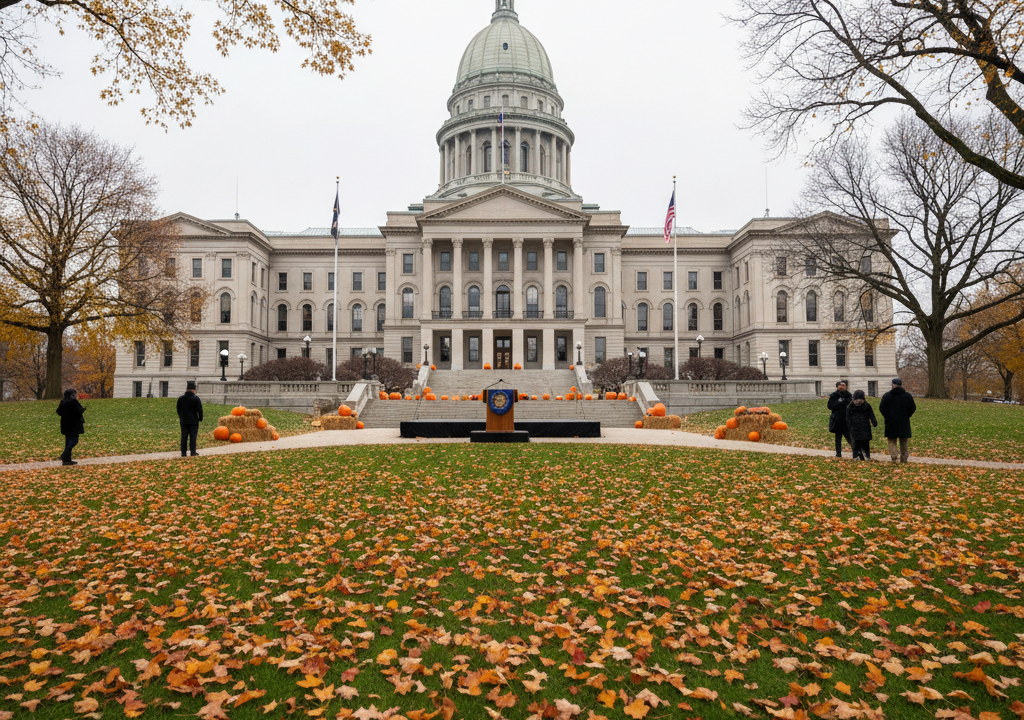
Lansing is quiet today, but behind the scenes, the gears of state government are turning faster than they have in nearly a decade. With Tuesday's gubernatorial election in the rearview mirror, Michigan is officially entering its first executive transition since 2018. Governor Gretchen Whitmer is preparing to hand over the keys to the state Capitol, marking the end of an era defined by high-stakes crises, major infrastructure pushes, and sharp partisan battles.
The transition is not just a symbolic passing of the torch. It is a massive administrative undertaking. Michigan's state government employs nearly 48,000 people across dozens of departments. Before the January inauguration, the incoming administration must fill hundreds of key political appointments, select department directors, and prepare to manage a multi-billion-dollar state budget.
The Mechanics of the Handover
State law and long-standing tradition dictate a structured handover process. The Whitmer administration has already established a formal transition team to brief the governor-elect's staff. These teams will set up shop in designated offices in downtown Lansing, just blocks from the Capitol building.
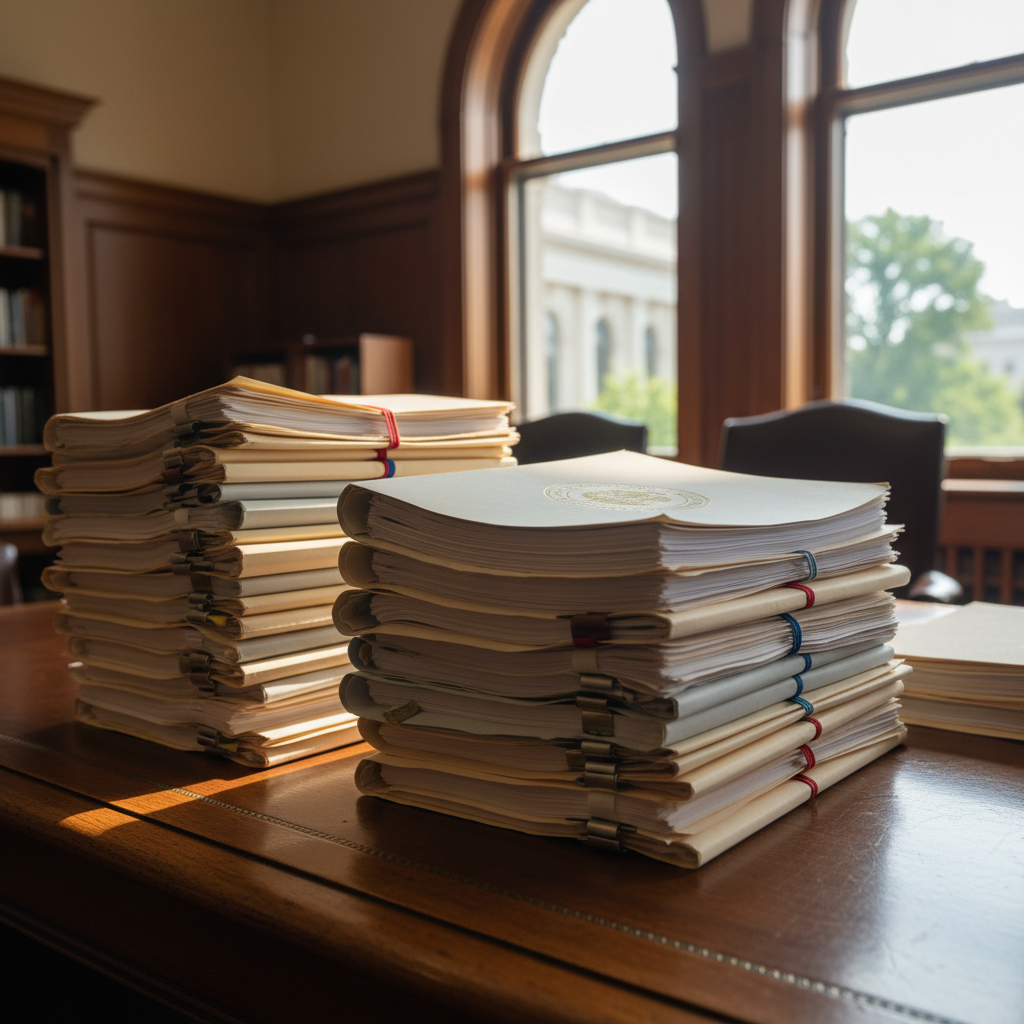
Career civil servants have spent months preparing transition binders. These documents cover everything from ongoing lawsuits involving the state to looming federal grant deadlines. For state employees, the primary goal is continuity. They want to ensure that essential services, such as Medicaid distribution, state park maintenance, and public safety operations, continue without a hitch during the political shuffle.
Key Policy Shifts on the Horizon
The policy priorities of the next governor will shape Michigan's trajectory for years to come. One of the most immediate areas of focus will be infrastructure. Whitmer built much of her political brand on her promise to “fix the damn roads.” Under her watch, the state directed billions toward highways and bridges. However, much of that funding came from one-time federal pandemic relief dollars that are now drying up. The incoming governor will have to find new, sustainable ways to fund road repairs or face the prospect of deteriorating infrastructure once again.
GET FREE $1000 AMAZON GIFT CARD
Education is another area ripe for change. During her two terms, Whitmer expanded state-funded preschool and established the Michigan Achievement Scholarship to make college more affordable. The next administration's approach to these programs will depend heavily on the political makeup of the state legislature. A split government could lead to intense budget battles over school funding formulas and school choice initiatives.

Energy and Economic Development
Perhaps the most significant policy shifts will occur in energy and economic development. Under Whitmer, Michigan committed to a strict clean energy mandate, targeting 100% carbon-free electricity by 2040. If the incoming administration leans conservative, a swift pushback against these mandates is highly likely. Even with a progressive successor, balancing aggressive climate goals with the reliable energy needs of Michigan's heavy manufacturing sector will remain a delicate balancing act.
The state's approach to business incentives is also under scrutiny. The Strategic Outreach and Attraction Reserve (SOAR) fund, used extensively by the Whitmer administration to attract electric vehicle battery plants, has drawn criticism from both fiscal conservatives and progressive skeptics. The new governor will have the authority to reshape how Michigan competes with other Midwestern states for major manufacturing jobs.
The Road to January
The next few weeks will be a whirlwind of private meetings, press conferences, and policy debates. Cabinet announcements are expected to trickle out over the coming month as the governor-elect builds a leadership team.
While political campaigns are won on big promises and loud rallies, governing is a quieter, more methodical business. As the transition teams settle into their offices in Lansing, Michigan residents will soon get their first look at how the next administration intends to turn campaign rhetoric into actual state policy.