TikTok and Instagram Ban ‘GEET $1000’ Gift Card Spam
Social platforms are scrubbing hashtags and banning bot networks behind the viral 'GEET $1000' phishing scam targeting millions.

The Viral Plague of ‘GEET’ Bot Accounts
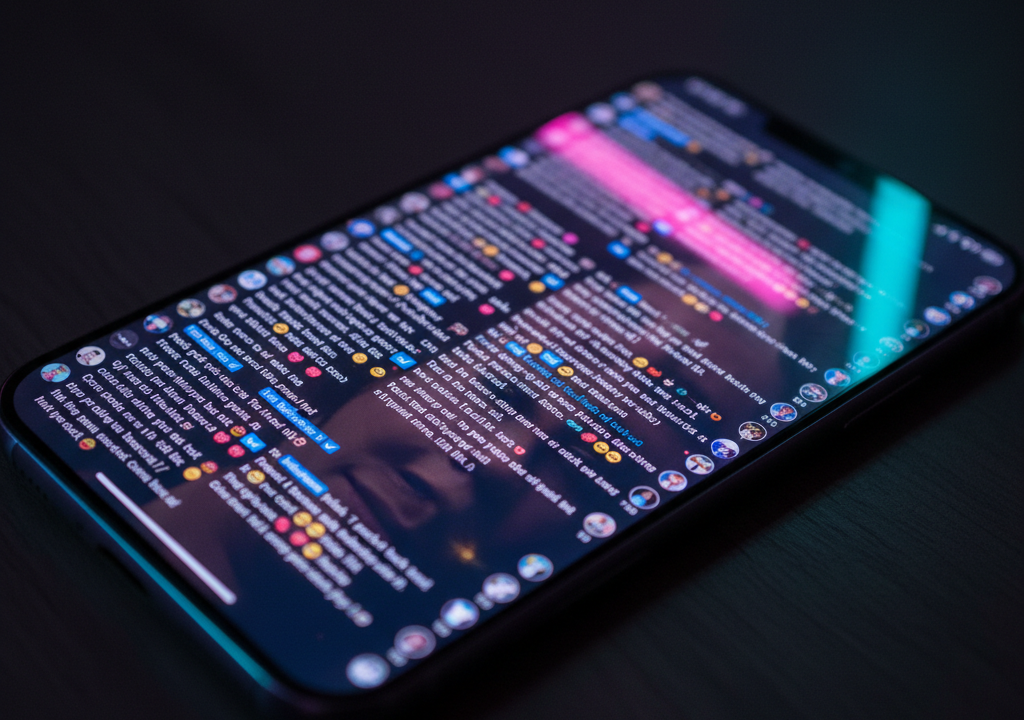
If you have spent any time on social media over the last few weeks, you have probably run into them. They pop up under viral recipes, breaking news, and dance trends. They all say the exact same thing, promising a free “GEET $1000 Gift Card” if you just click the link in their bio.
This massive, coordinated spam campaign has clogged comment sections across the internet. Now, TikTok and Instagram are fighting back with aggressive bans.
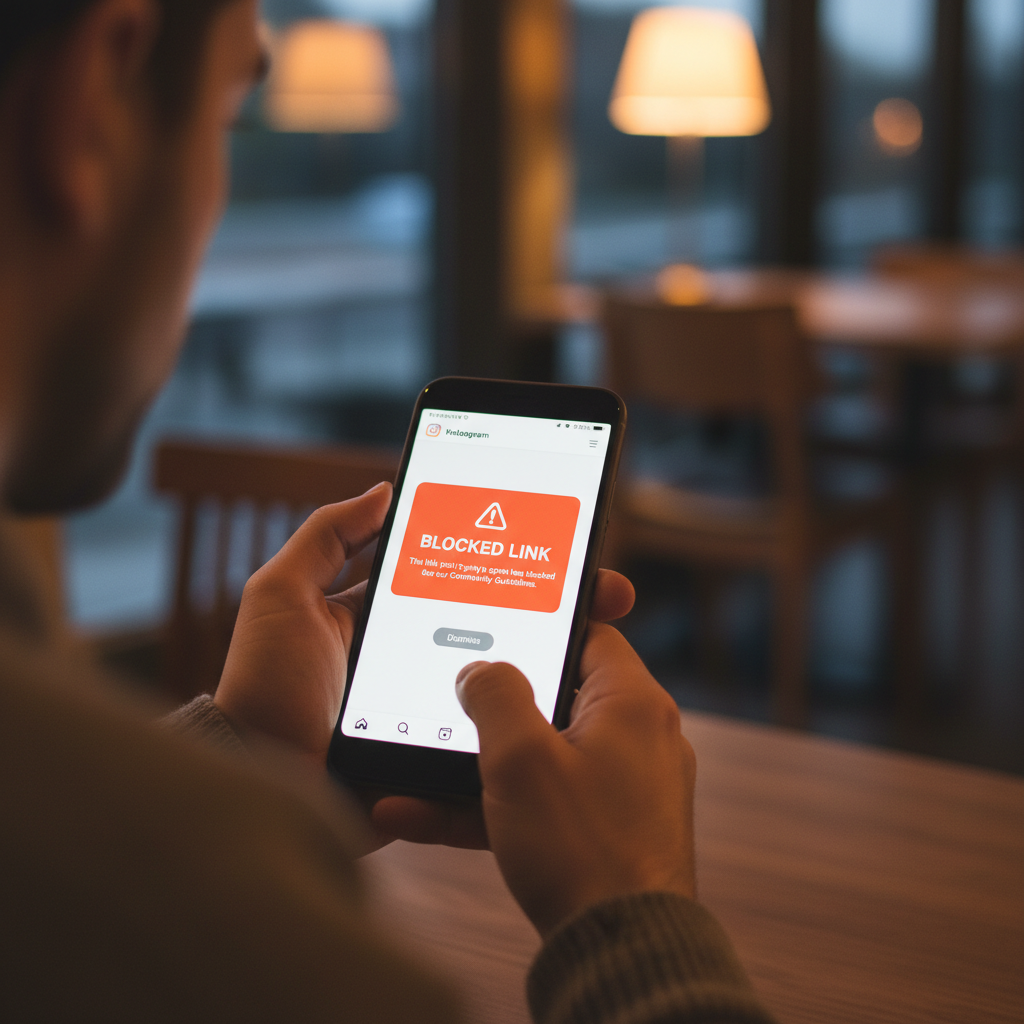
Over the past week, both platforms started scrubbing the phrase “GEET” and its associated hashtags from search results. Users searching for the term are now met with blank screens or error messages warning them about community guideline violations. It is a digital game of whack-a-mole, and the social media giants are scrambling to keep up.
How the Phishing Scam Actually Works
This is not just an annoying spam wave; it is a sophisticated security threat. According to cybersecurity experts, the campaign relies on a vast network of automated bot accounts that bypass traditional spam filters using clever tricks.

The bots do not just post standalone videos. Instead, they target high-traffic comment sections on popular creator pages to maximize their visibility. Here is how the trap is laid:
- Hijacked Profiles: Scammers often buy or hack older, dormant accounts. Social media algorithms trust older profiles more than brand-new ones, allowing them to slip past automated filters.
- Obfuscated Language: The word “GEET” is an intentional misspelling of “GET.” Spammers use typos to evade automated moderation systems designed to flag financial spam.
- The Bait-and-Switch Link: The “link in bio” directs users away from the app to a third-party website designed to look like a legitimate promotional survey.
Once on the external site, victims are asked to provide sensitive personal information, including full names, email addresses, phone numbers, and physical addresses. In some cases, the site attempts to force the download of malware disguised as “verification” software.
The True Cost of a Fake Gift Card
“They are not giving away money,” says threat intelligence analyst Sarah Miller. “They are building highly lucrative lists of active targets for phishing attacks, identity theft, or credential stuffing. A working phone number and email address attached to a real social media user is worth a lot of money on the dark web.”
The scale of the attack is unprecedented, leaving many creators feeling helpless. Some have had to turn off comment sections entirely to protect their audiences.
“I woke up to 10,000 notifications,” says lifestyle influencer David Chen. “Every single one was a bot account talking about a gift card. It completely drowned out my actual followers and ruined the engagement on my post.”
Platforms Respond to the Bot Wave
Meta, the parent company of Instagram, confirmed they are actively purging these networks. In an official statement, a spokesperson noted the company uses a mix of machine learning and human review to detect coordinated spam networks.
“We have removed millions of these fake accounts and continue to update our defenses to block automated spam,” the Meta spokesperson said. However, the company declined to share the exact number of accounts banned so far.
TikTok has taken a similarly hard line. Search queries for “GEET” now return zero videos, and the platform has blacklisted several variations of the term. Still, the battle is far from over. Creators report that as soon as one hashtag is banned, bots immediately pivot to alternative spellings like “G3ET” or “GEEET.”
How to Protect Your Account
For everyday users, avoiding the scam requires basic digital hygiene. Cybersecurity professionals recommend a few simple rules:
- Never click links in the bio of an account you do not recognize.
- Be skeptical of any comment offering high-value prizes for free.
- Report the comments and accounts immediately to help the platform’s algorithms identify the spam network.
As social platforms tighten their security, users can expect to see fewer of these comments in the coming weeks. However, until tech companies find a way to verify accounts at scale without sacrificing user privacy, these automated botnets will keep finding ways to break through the cracks.